Number trust shapes how calls perform before reps even speak. When your outbound numbers lose reputation and pick up false spam labels, speed-to-lead drops, follow-ups fail, and relationships degrade. In addition to creating problems for sales teams, poor number reputation also affects every stage of a service funnel. Testing and monitoring your numbers to find false flags and remediating with carriers when they appear is a vital part of protecting call deliverability so your teams can connect consistently and confidently.
Most organizations focus on building trust during the call itself. And that work matters. But it assumes the call actually gets answered.
For many outbound teams, trust is earned—or increasingly lost—before the call connects, based on the reputation of the number placing it.
It all starts with number reputation, which is shaped largely by your dialing practices. The wrong strategy can quietly set off a ripple effect that threatens your entire outbound operation:
Number reputation can work in your favor as well. Numbers with a strong reputation, are less likely to pick up flags and your call deliverability faces fewer obstacles.
In practice, number reputation can make or break your phone outreach.
A clean, trusted number fuels every stage of sales and service performance. A damaged reputation weakens it from top to bottom.
Below, you’ll learn how number trust impacts each phase of the funnel, how it affects both sales and service teams, and how we developed our ARMOR® platform to help organizations protect outbound performance.
Before your call ever reaches a prospect’s device, your number has already been evaluated for trust.
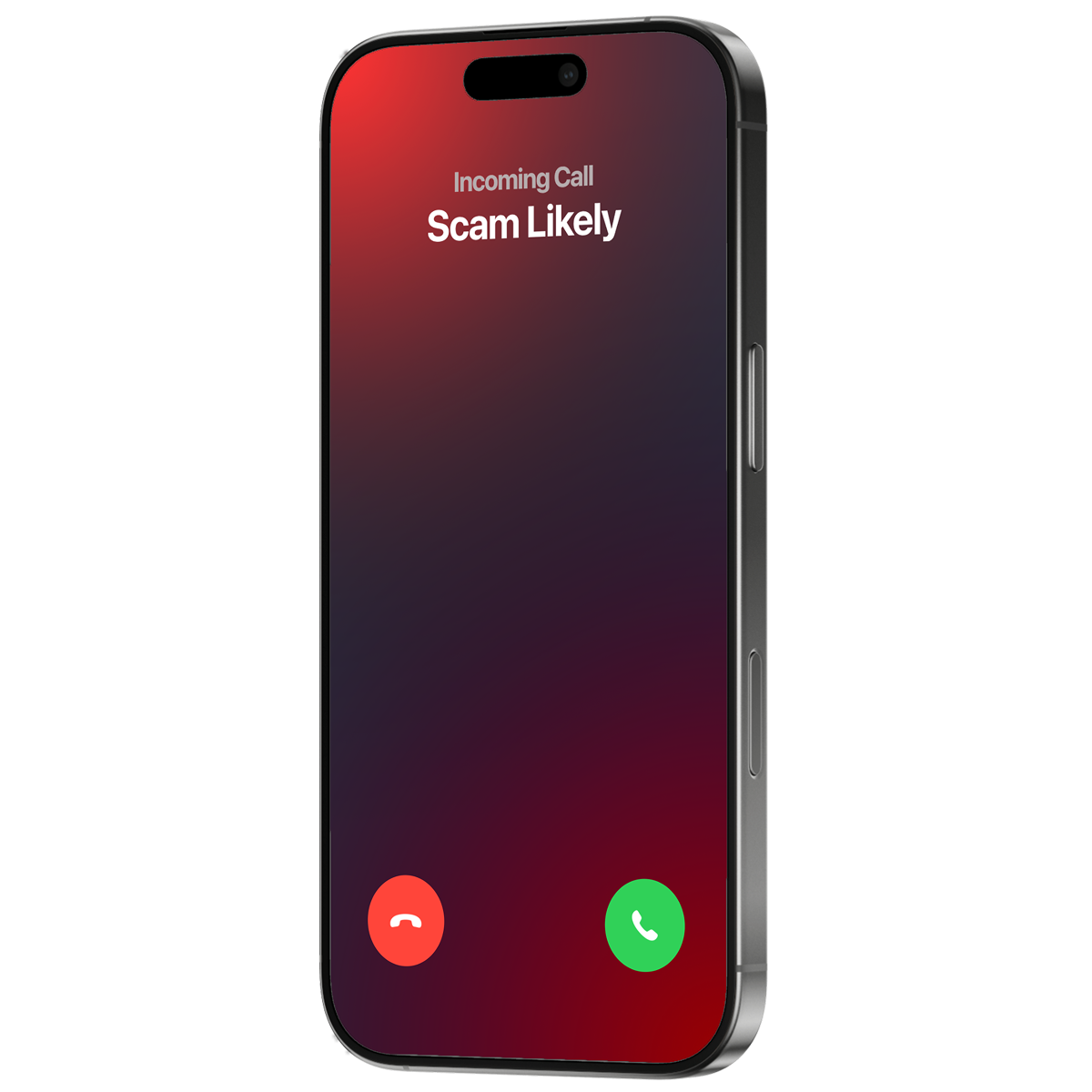
That reputation determines how the call is handled: whether it’s delivered cleanly, arrives with a warning label, or is filtered out before the prospect ever sees it. Many devices and mobile operating systems now actively silence, divert, or block calls that are flagged as potential spam. In those cases, your call isn’t ignored; it’s never presented at all.
This creates a compounding problem:
Teams often respond by dialing more aggressively to compensate. That increased volume further degrades reputation, triggering more filtering and making each subsequent call harder to deliver than the last.
What often looks like a productivity or performance issue is, at its core, a trust issue happening upstream.
.jpg)
Whether you’re contacting brand-new leads for the first time, following up with prospects in your pipeline, or reaching out to existing customers with service or support communications, issues with number trust impede your ability to connect. Here’s how number reputation issues impact each stage of your funnel:
A flagged number crushes overall connect rates and erases your ability to reach interested prospects quickly. Since the odds of reaching a lead decrease by over ten times in the first hour after they come in, this has a huge opportunity cost.
Here’s what happens:
In this scenario, your teams lose the window where conversion odds are highest, and your brand loses credibility in the eyes of your audience. It’s a bad way to start new relationships.
It doesn’t matter if a contact has answered your calls before. If your calls suddenly start to look like spam, many of them will stop answering. And once a contact stops picking up, every subsequent effort to reach them becomes harder:
A deal often hinges on a handful of final calls to settle details like:
If those calls don’t connect, the conversion never happens and the client or customer ends up unsatisfied. It hurts team performance and hurts overall brand perception as well.
Low number trust isn’t just a sales problem; it can disrupt entire customer service operations. Industries like healthcare, education, automotive, insurance, home services, finance, logistics, and retail all rely on outbound calls to deliver essential, time-sensitive information.
When those calls don’t connect, service teams can’t do their jobs, and customers feel the impact immediately.
Imagine that major carriers suddenly started labeling calls from the support team at a major home-goods manufacturer as spam. The business doesn’t know it at first, but it doesn’t matter. Customers stop answering, assuming the calls are unsafe. This creates:
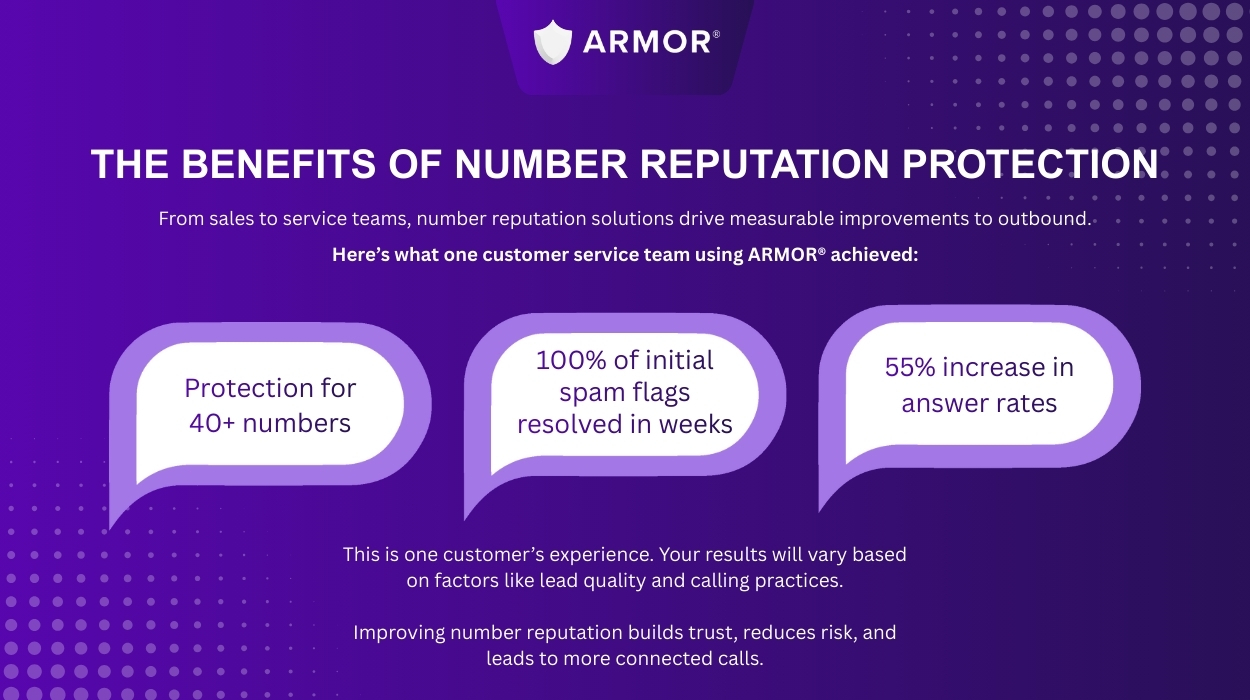
This isn’t actually a hypothetical scenario. This was the story of an organization that signed on with ARMOR® to find out why their calls weren’t being answered.
Once the company deployed ARMOR®, the turnaround was dramatic. Data from the platform was able to identify the false flags on their support numbers, and our team promptly entered into the remediation process with the carriers that had applied them.
This cleared every initial flag within weeks, allowing the company to restore normal calling behavior. Answer rates climbed by 55%, more than 40 numbers were brought under active protection, and the support team regained reliable access to their customers.
This is one customer’s experience. Your results will vary based on factors like lead quality and calling practices.
Related: Protect the Calls That Keep Your Call Center Running
Other kinds of service organizations depend on their calls being answered as well. People who never answer the phone miss more than just callbacks from customer service teams: they also miss:
When number trust breaks, every downstream process that depends on timely communication breaks with it.
Protecting number trust requires continuous visibility instead of relying on guesswork. The ARMOR® platform is designed to helps teams of all kinds safeguard and restore number reputation through:
When callers trust your numbers, sales teams connect faster, service teams resolve issues sooner, and the entire customer journey speeds up.

Every part of your outbound strategy depends on earning and building trust. Sales and service funnels break apart at every stage when leads won’t answer calls because they think your number is unsafe.
If you want to keep reaching your organization’s target audience, you need to protect the way your calls display to contacts. It all comes down to number reputation.
Make your answer rate data visible. Find the signs that might indicate false spam flags, and take the right steps to remediate with the appropriate carriers. But don’t stop there. Keep monitoring the numbers your teams depend on so that you can keep your calls trusted from the very first touchpoint to the final follow-up.
Get a demo of ARMOR® today, and see how trusted numbers transform the way your teams connect with the people you serve.