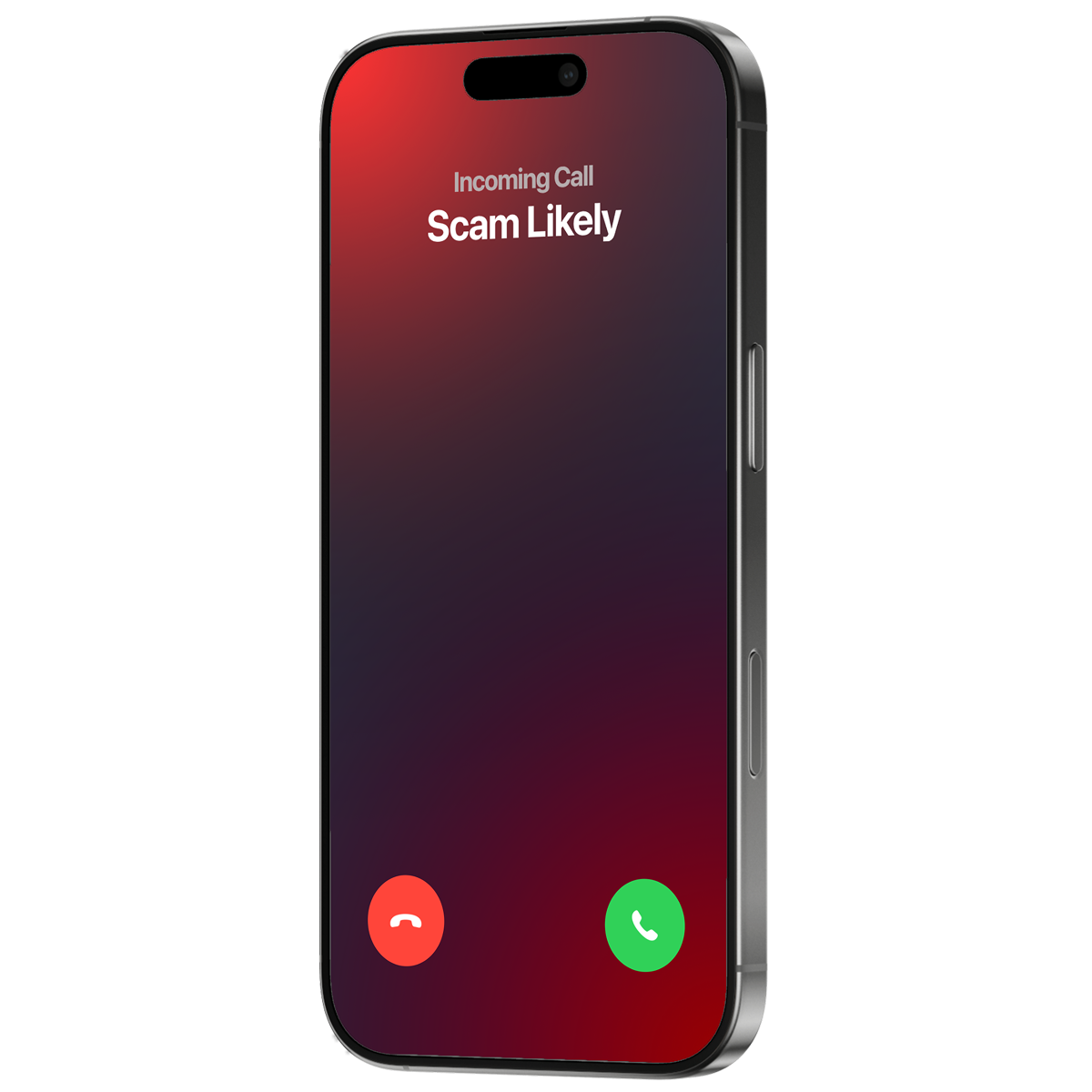
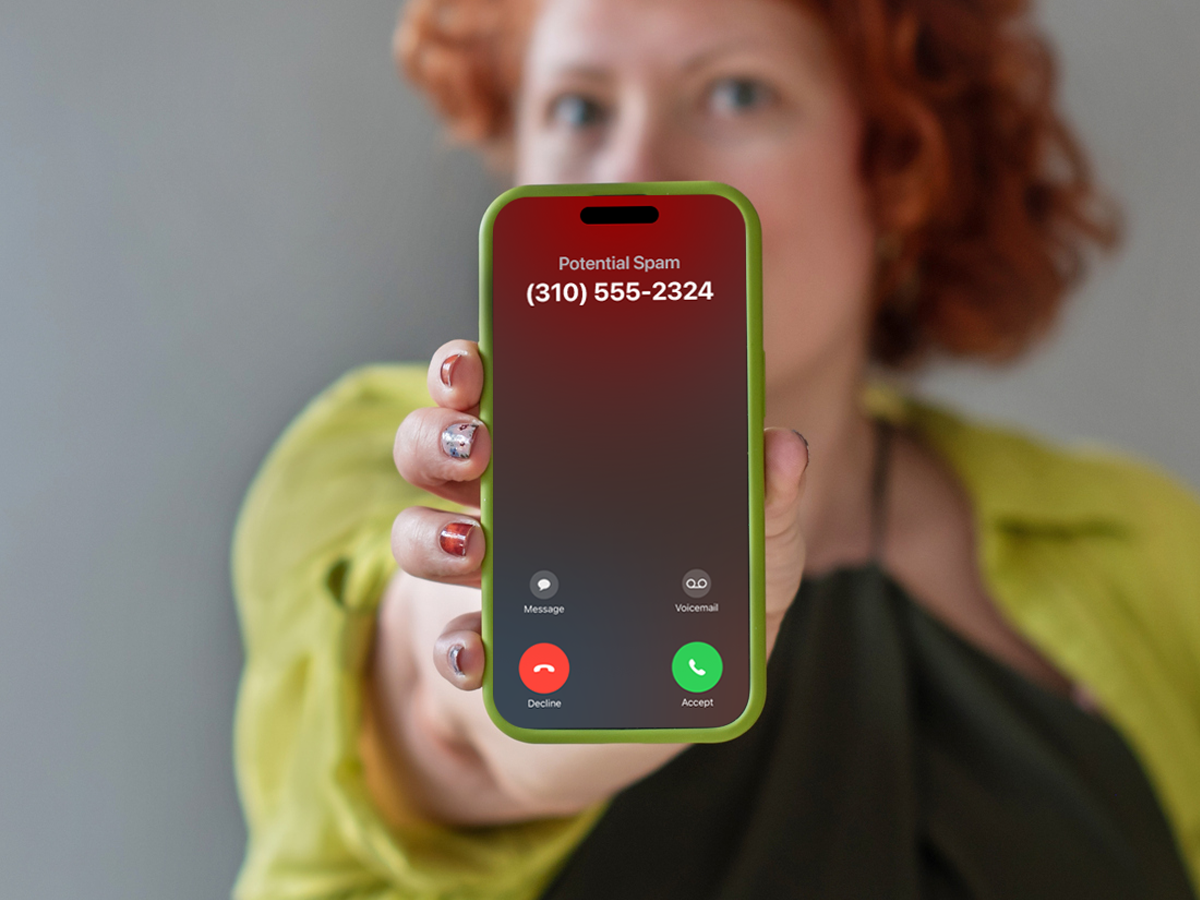
The 2 Cs of Spam Protection
When flags do happen, the ARMOR® team is here to help. But prevention is often your best protection. There are two key sources of risk—and opportunity—when it comes to protecting your number reputation:
- Carriers, via analytics agencies that analyze your calling behavior
- Consumers, who directly report, block, or engage with your calls
Carrier Signals: Anatomy of a Healthy Call Pattern
Analytics providers flag calls based on how they look from the outside. Calls that:
- Maintain consistent volume
- Achieve steady answer rates
- Turn into conversations of reasonable length
- Don’t generate blocks or spam reports
...appear “wanted” to algorithms and are far less likely to be flagged.
Use the ARMOR® Performance Dashboard to track performance. Identify trends based on call volume, time of day, location and other filters and adjust your strategy to scale what’s working and fix what’s not.
Consumer Signals: Avoiding Reported & Blocked Calls
Spam labels are often driven by how real people react. Calls that are abruptly ended, blocked, or reported as spam send strong negative signals. Risk factors include:
- Cold calling disinterested or poorly targeted leads
- Calling too early or late in the day
- Repeated calls to the same person with no answer
- Using a parallel dialer with an awkward delay or beep at call onset
- A lack of professionalism or clarity from the agent
- Failing to remind contacts why they opted in
Make your calls less disruptive, easier to understand, and simple to opt out of—and you'll reduce the likelihood that recipients will block or report your number.
Behaviors to Avoid
Avoid these common behaviors that contribute to a negative call reputation:
- Using a Caller ID that can't receive callbacks
If recipients can't call you back, your call feels untrustworthy. - Mixing different use cases (e.g., sales and support) on the same number
Don’t let one use case (like sales) impact reputation, or cloud call data, for another. Using dedicated numbers results in cleaner call patterns and more actionable data. - Calling outdated or reassigned numbers
Wrong-party calls frustrate recipients. Keep your data fresh, or you’ll invite complaints. - Ignoring Do Not Call (DNC) lists
These recipients have clearly opted out and are more likely to report your calls as spam. Scrubbing against DNC lists is both legally required and reputation-critical. - Delays from auto or multi-line dialers
Connection lags cause consumers to hang up—and train algorithms to distrust your calls. - Double-dialing contacts (double-tap)
Calling back right away is seen as misleading and aggressive by consumers and carriers. - Calling too early or late based on time-zone
Even well-intended calls can generate negative sentiment when they interrupt someone’s morning or evening. - Too many calls or voicemails in a short time frame
Overcommunication, especially in the absence of interest, is visible to analytics agencies and likely to drive consumer complaints. - Failing to clearly identify yourself
Consumers are less likely to report or block you when they know who’s calling—and why.
💡Ask yourself: "Would I be annoyed if I received this call?" If the answer is yes, there's a good chance the recipient is too.
What to Do Instead: Trusted Caller Practices
Here are proactive habits that reduce risk and build long-term call reputation:
- Register with the Free Caller Registry
One of the strongest signals of legitimacy available to carriers. ARMOR® takes care of this for you. - Use consistent CNAM
Helps recipients recognize and trust your call before answering. Optionally, ARMOR® takes care of this for you. - Scrub your lists regularly
Eliminate reassigned or inactive numbers to avoid wrong-party complaints. Consider using the FCC's Reassigned Numbers Database (RND) to avoid contacting the wrong consumer when your call is intended for the previous owner of the phone number. - Respect DNC lists – they’re legally required
And provide an easy opt-out path on every call. - Maintain consistent call volume
Sudden spikes look suspicious—even if you’re legit. - Coach agents to introduce themselves clearly
Early identification builds trust and transparency. - Leave clear, value-driven voicemails
Include the rep’s name and company. Sound human, not scripted. - Maintain a courteous, respectful tone
Courteous conversations are less likely to trigger complaints. - Provide a callback number and complaint path
Giving recipients a non-aggressive alternative to blocking shows accountability.
💡 Transparency, consistency, and respect for the recipient are your best defenses.
The Long Game: Build Trust Over Time
Smart dialing isn't just about avoiding today's flag—it's about call reputation management that holds up over months and quarters. By implementing the right practices, you reduce the chances of being flagged and increase the odds that your calls will be answered.
ARMOR® service gives you visibility, insights, and support—but your daily calling habits are the foundation of number health. Use this guide to make every dial count.