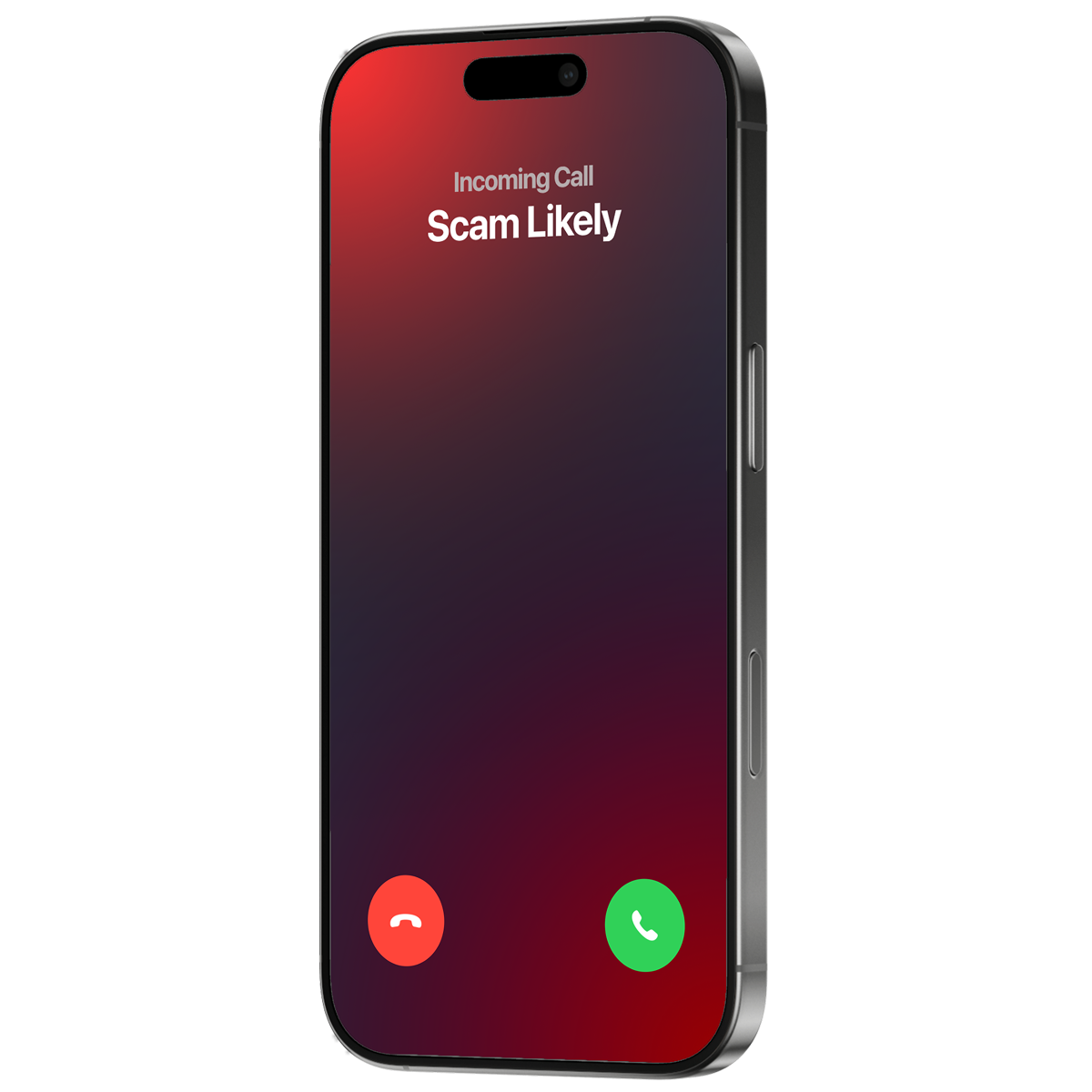
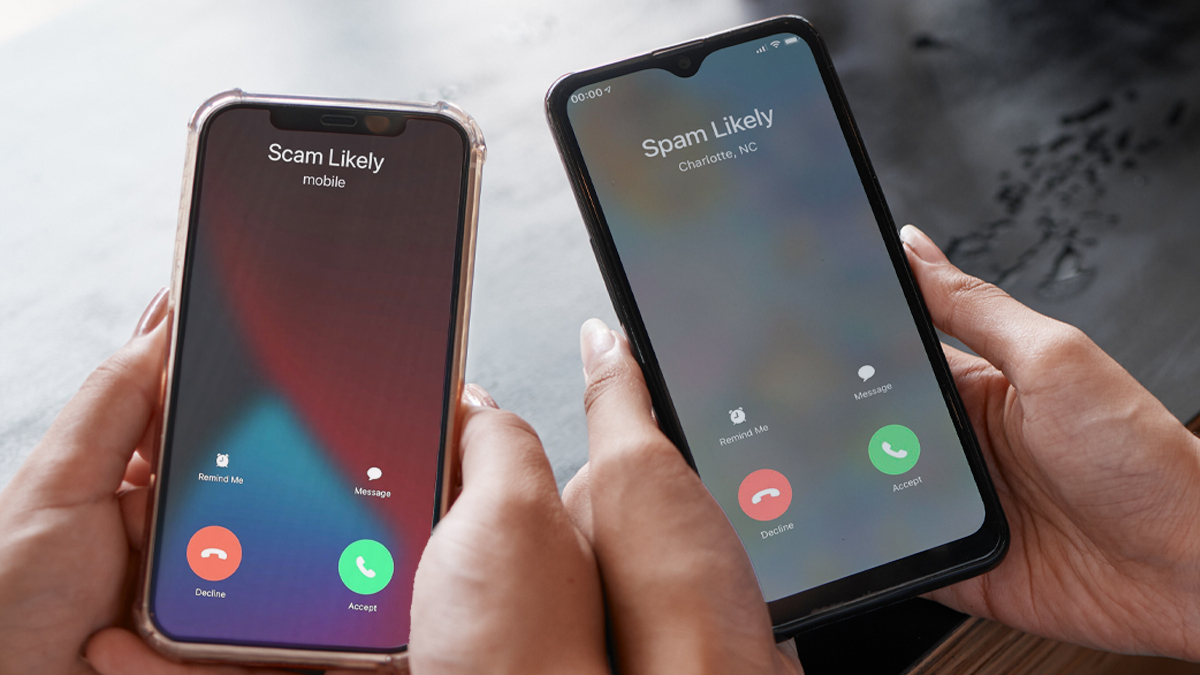
Caller ID labels like “Spam Risk” are usually general warnings about calls that carriers identify as potentially unwanted, while “Scam Likely” and “Potential Fraud” tend to indicate a higher perceived risk of illegal activity. But carriers use different labels and have different criteria for assigning them. Using a number reputation solution like ARMOR® helps teams identify and remediate flags that have been mistakenly applied and protect answer rates.
When you’re a legitimate business making outbound calls, few things are more frustrating than hearing that your number is showing up as “Spam Risk,” “Scam Likely,” or “Potential Spam.
It’s also confusing, because there are other labels that can show up. “Fraud Risk”, for example. Or “Nuisance Likely”. Oh, and “Telemarketer.” The list keeps going.
But what do all these different labels mean?
The short answer is: your calls may show different labels to different customers because their carriers use different terminology.
But the whole truth is a bit more complicated.
In this article, we’ll explain:
Let’s dive in…
In an effort to stop bad actors and persistent nuisance calls, carrier spam filters often sweep legitimate businesses into the mix.
Carriers identified or blocked over 50 billion calls between 2023 and 2025. That kind of volume forces the system to judge patterns in call behavior instead of purely focusing on signals that might signify the intent of each caller. And when your call behaviors (or the way consumers respond to them) resemble anything the algorithms associate with spam, your number can get mislabeled even if the calls you make are actually wanted.
Download our free PDF for a deeper look at the patterns and signals that commonly trigger flags and hamper legitimate outbound calling.
5 Reasons Legitimate Calls Get Labeled Spam
Free PDF Download
There’s no universal standard for Caller ID labels. Every major U.S. carrier uses its own naming conventions and analytics partner to categorize suspicious or unwanted calls.
Each engine applies its own scoring models, thresholds, and risk categories. As a result, outbound calls from your business can be interpreted differently depending on which network you’re calling. One carrier may classify your call as Potential Spam, another as Nuisance Likely, and a third may apply no label at all.
While each carrier uses their own labels, they do adhere to some similar conventions:
Each carrier applies different labels based on the severity of the threat or risk. Lower severity flags are represented by the word “Spam” or “Nuisance,” which are typically a signal of unwanted calls without bad intent, whereas words like “Fraud” or “Scam” signify high risk and bad intent.
Additionally, some carriers make use of certain industry categories (e.g. Telemarketer, Survey, Political, etc.) to help subscribers better understand the nature of an incoming call.
Here is a breakdown of the most common labels used across U.S. carriers to help subscribers identify suspicious, unwanted, or potentially harmful calls.
Some calls appear with certain category or intent classifications. These labels vary carrier to carrier, and include:
What they mean:
These labels are designed to assist mobile subscribers by identifying the purpose of the call, not the risk level. While not “spam” labels, they can still depress answer rates if recipients don’t recognize or trust the category.
The table above shows the primary spam/scam labels used by each major U.S. carrier, along with their severity level.
Regardless of the severity or classification, any warning label attached to your number is bad news for outbound performance. Flags are likely to:
Even when carriers get it wrong, the impact feels very real to your team and your customers.
Because every carrier uses its own analytics partner and labeling system, a single test call tells you almost nothing. Calling a friend, a coworker, or even your own mobile device only shows how your number appears on one network. Relying on such limited data can easily lead to the wrong conclusions and the wrong strategic decisions.
Learn More: Calling a Friend vs. Using a Spam Checker to Test Your Phone Number: What’s Better & Why?
To understand your true caller-ID reputation, you need a multi-carrier test. Multi-carrier testing reveals whether your number is completely clean, showing an isolated flag on one network, or carrying widespread issues across multiple carriers.
Our free spam-flag check gives you that complete view in seconds.
Knowing how your number appears across every major carrier is the first step. It helps you determine whether you’re dealing with an isolated flag or a widespread reputation issue, and each scenario requires a different approach.
Isolated flags may resolve with minimal intervention, such as completing carrier registrations, tightening up basic call behaviors, or simply allowing reputation to settle over time.
Widespread or persistent spam labels, on the other hand, are typically signs of deeper reputation challenges. When multiple carriers are flagging your number, it often means the underlying signals are strong and won’t self-correct.
In these cases, ongoing monitoring, coordinated remediation, and call-process analysis are essential to address the issues, rebuild trust, and prevent future flags.
The ARMOR® service is ideal in this scenario, especially for teams that lack the experience or bandwidth to tackle cross-carrier reputation problems on their own. Numbers protected with ARMOR® are monitored regularly for issues that could signify false flags, and experts remediate directly with carriers to clear them when your calls are mislabeled so that you can continue improving your number reputation and answer rates.
Learn More: Call Reputation Management Services: Are They Worth It?
Caller-ID labels aren’t going away, but with the right visibility and the right strategy, they don’t have to derail your outbound efforts. If you’d like a clearer picture of your number reputation and expert help keeping it healthy, our team is here for you.
Built by industry insiders with firsthand experience working alongside the analytics engines that power today’s spam-labeling ecosystem, our team has a unique understanding of how reputation is scored, how flags form, and how to keep legitimate businesses protected.
Wondering if you’re flagged?
Run a free spam-flag check.
Need help with number reputation?
Talk to an ARMOR® expert.