Carriers use a wide range of behavioral, identity, complaint-based, and compliance signals to determine whether a phone number should be flagged as spam. High-volume bursts, low answer rates, CNAM issues, user reports, reused audio, and enforcement events like tracebacks or DNO violations can all raise your risk, often without warning. The ARMOR® platform gives teams clear visibility into these patterns, surfaces emerging issues, and provides expert remediation to help maintain strong number reputation and call deliverability.
Carrier spam-detection systems rely on far more signals than most teams realize. The risk factor for each of your phone numbers can be influenced by dozens of independent variables.
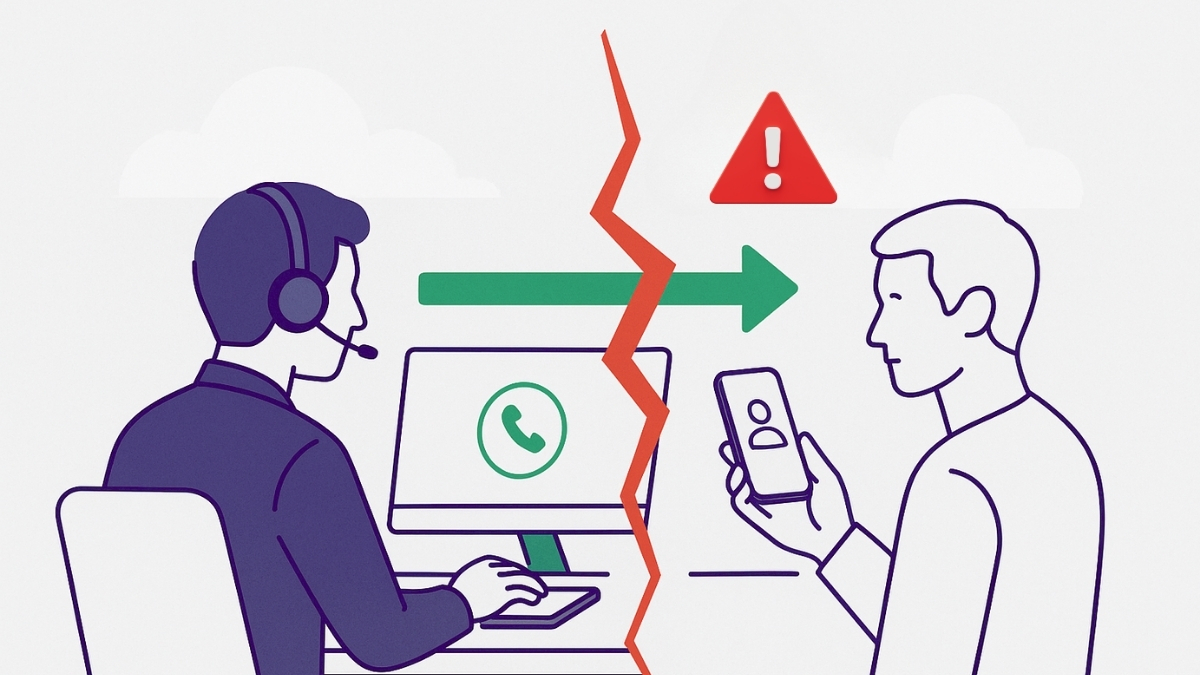
To make matters more complicated, every carrier uses its own proprietary criteria, and those rules are intentionally kept private so that bad actors can’t simply reverse-engineer them. Because these systems are opaque, your numbers may be flagged without any clear explanation, even when your calls are wanted.
The telecom experts on the ARMOR® team have drawn on decades of combined experience to compile this list of potential spam-flag risk factors. Use it to help your outbound teams understand what might trigger negative labeling.
Just remember, this list is intended to be informative, not exhaustive. Spam flag criteria continues to evolve, and analytics providers continually introduce new signals.
For comprehensive protection, use the ARMOR® platform to improve the deliverability of your calls by providing specific data on the numbers you use. Full ARMOR® service includes testing and ongoing monitoring for your numbers, as well as expert remediation with carriers on your behalf to clear false flags from your numbers if and when they appear.
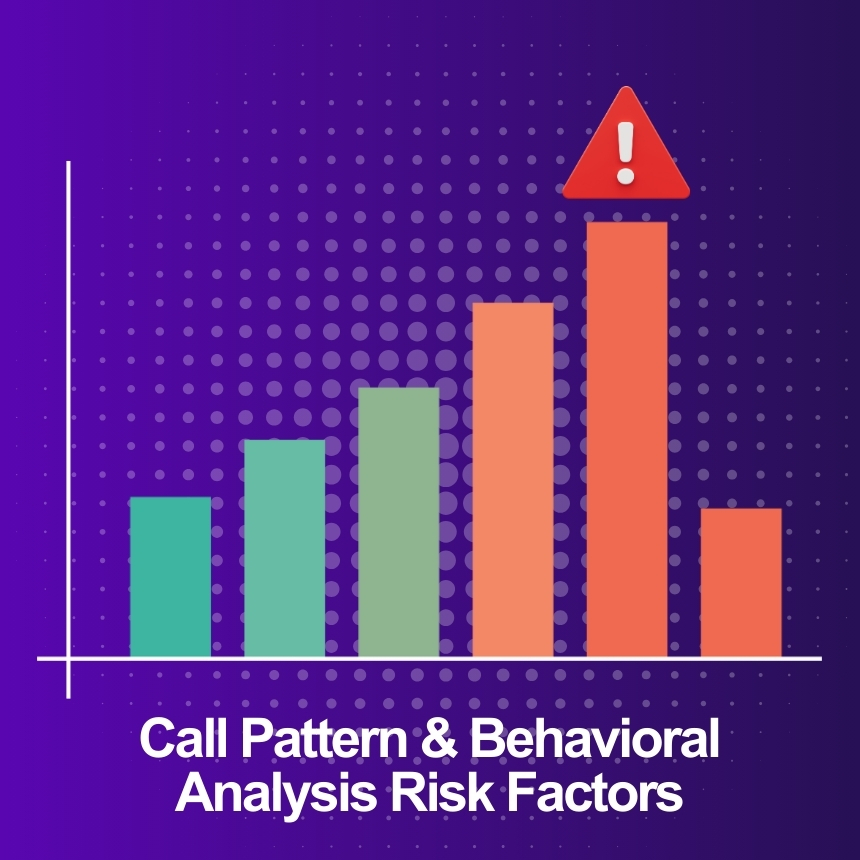
This section includes many of the factors that most directly impact the risk factor carriers assign to your numbers.
High volume on its own isn’t an issue; large organizations place thousands of calls per day from the same numbers. But without established history or positive engagement, sudden or heavy volume can resemble robocalling behavior and raise a carrier’s risk score.
This is especially true if you’re repeatedly calling the same numbers and not getting answers, since it lowers your overall answer rate, increases complaint likelihood, and signals desperation tactics that carriers flag. Implementing cool-down periods and attempt limits protects your numbers.
Consistency is an important trust factor. Sudden surges in daily call volume followed by steep drop-offs are commonly associated with autodialer misuse or campaign churn.
Call duration is a strong indicator of call intent. Wanted calls turn into conversations, while very short calls often reflect hangups or disinterest. A high percentage of these short-duration calls signals unwanted behavior and increases carrier-assigned risk.
Low answer rates are both a symptom of spam flags and a risk factor for them. Persistently low answer rates suggest calls are unwanted and can raise suspicion, especially when paired with heavy call volume. Analytics engines may interpret this as a sign that recipients are actively avoiding the number.
Calls that are abandoned before a conversation begins—whether due to agent drop-offs or workflow misfires—mirror the same “spam burst” patterns carriers associate with unwanted campaigns. This issue is common with parallel or multiline dialers, where multiple calls are placed at once and answered calls occur with no agent available.
Calling the same contact back-to-back after a missed call is a tactic commonly used to drive more live answers. But this pattern frustrates subscribers and is treated as nuisance behavior, increasing the likelihood of labeling
Calling the same subscriber too frequently within a short window (e.g., 5 calls in 3 days) is widely perceived as a nuisance by both consumers and carriers. What’s more, when those calls go unanswered, carriers infer the calls are unwanted, accelerating negative scoring and increases spam risk. Call attempt limits can help.
Consistently skipping voicemails can appear evasive to both carriers and contacts. When few or none of your call attempts result in a voicemail, it can signal low-intent outreach or calls that aren’t genuinely wanted.
Dialing numbers with low activity indicators (including disengaged or potentially disconnected contacts) wastes attempts and mirrors mass-dial patterns carriers distrust. Tools like PhoneBurner’s Connect Scores help teams validate numbers, prioritize those most likely to answer, and deprioritize or avoid low-engagement contacts.
Numbers with low activity indicators (rarely used, likely disconnected) not only waste dials but create patterns that analytics engines associate with mass-dial behavior. Prioritizing leads with verified recent phone activity dramatically reduces this risk, and is possible via the ARMOR® platform.
Frequent attempts to non-working or unassigned numbers resemble random or brute-force dialing behavior.
Carriers treat newly ported numbers cautiously until enough organic calling history accumulates to establish legitimacy.
The practice of rotating/recycling phone numbers is so common that carriers inherently distrust new phone numbers. Calls from numbers with no historical record (such as no prior calling behavior) may be assigned a higher baseline risk score.
Calling patterns outside standard business hours can attract additional scrutiny from carriers and may contribute to spam flag risk.
These factors shape how carriers and contacts perceive your number’s legitimacy. While they’re different from call-pattern behaviors, they still contribute directly to your overall reputation and can strongly influence the amount of trust that contacts place in your number. In turn, this can impact many of the factors above: answer rates, call duration, and more.
Calls originating from Tier 1 carriers benefit from stronger baseline trust. Calls that originate outside Tier 1 travel a more complex call path with fewer controls. This is an environment where a disproportionate amount of fraud, spoofing, and call threats occur, resulting in stricter filtering. Because spammers frequently rotate numbers, the reputation of the originating carrier has become an increasingly important signal.
STIR/SHAKEN verifies that a call is coming from who it claims to be, and carriers use its attestation grades (A, B, or C) as a trust signal. Lower attestation grades (B or C) indicate weaker caller authentication and increase the likelihood of filtering.
If a bad actor is spoofing your number without your knowledge, their calls can generate blocks, hangups, and spam reports that get attributed to you. Those negative signals accumulate quickly and can damage your number’s reputation, even though you’re not the one making the calls.
When your caller ID name is missing, inconsistent across databases, or doesn't match your registered business information, it undermines recipient trust and can trigger negative scoring. Proper CNAM registration in the Line Information Database ensures your organization's name appears accurately.
Registering your numbers with the carriers via the Free Caller Registry (FCR) is a strong signal that you’re a legitimate business entity. Businesses that fail to register their outbound numbers appear less credible to carriers and are far more likely to be flagged.
Carriers maintain shared databases of known bad actors, and analytics providers aggregate behavioral data across networks. Although this is typically only a minor risk, a negative mark can still follow the number across platforms.
A number with a previous life as a spam source can carry its past into a new owner’s hands. Without intervention, old reputation damage lingers.
The risk factors associated with your numbers can also be influenced when people manually flag, report, or complain about your calls. There are several ways this can happen, but here are some of the most common:
Customer complaints are among the strongest pieces of evidence that calls are malicious or simply unwanted. When customers block your number on their device, manually report your number to their carrier, or use apps like Hiya and Truecaller to identify your call as spam, it is a strong indicator that a flag is warranted.
Government complaints, whether justified or not, are often factored into analytics engines and can result in immediate labeling.
Carrier honeypots are unowned and unassigned phone numbers controlled by carriers and analytics providers, designed to detect unwanted or mass-dialing behavior. Any calls to honeypot numbers immediately generate high-severity negative signals, since they indicate poor data quality, lack of opt-in, or automated campaign patterns.
Audio fingerprinting is primarily used by third-party analytics and call-blocking apps to detect reused or pre-recorded audio segments across calls. These systems are most commonly applied to carrier honeypot calls, where repeated audio patterns can quickly identify scam-like or automated campaigns and contribute to labeling decisions.
Emerging voice-AI models can help detect computer-generated voice or non-natural conversational patterns, helping identify calls that may pose consumer risk.
Not all spam-flag risk comes from call patterns or consumer complaints. Carriers also act on formal enforcement signals that circulate through the telecom ecosystem. These include traceback investigations identifying a number as part of suspected illegal traffic, violations of Do-Not-Originate lists, or FCC/FTC notices related to consent or unlawful calling practices. Unlike typical analytics inputs, these are system-level directives: they can trigger blocking or labeling even when your day-to-day call behavior looks normal.
With so many factors influencing spam flags, and an ecosystem that continues to evolve, you need a partner that can monitor these risks holistically and help you stay ahead of them.
The ARMOR® service is a comprehensive solution designed to help businesses get their legitimate calls delivered and answered. Through proactive protection, continuous threat and spam-flag detection, data-backed remediation, and strategic recommendations, we provide end-to-end support for maintaining a healthy caller ID reputation.
Built by industry insiders with direct experience working inside the analytics ecosystem, our team brings deep expertise, trusted relationships, and real-world insight that helps you navigate risks, resolve issues faster, and keep your numbers performing at their best.
The platform monitors call volume, answer rate changes, average call duration, carrier-specific flag risk, and other early indicators that analytics engines watch.
In the ARMOR® dashboard, teams can see behaviors patterns that may be increasing their risk of flags, providing opportunities to improve calling patterns and number reputation before carriers react.
Learn more about ARMOR® call analytics.
ARMOR® also surfaces insights based on your actual call data so you don’t have to rely on guesswork. Using the data provided in the ARMOR® dashboard and the platform’s analytics tools, teams can easily identify things like:
These insights make it easier to correct dialing patterns, strengthen number reputation over time, and improve overall call deliverability.
At the core of theARMOR® service is active reputation monitoring across carriers and analytics engines. Any time a protected number is flagged, you’re alerted, as ARMOR® experts work directly with carriers on your behalf. This includes:
By protecting against the operational disruptions caused by unanticipated spam flags, ARMOR® helps ensure that outbound teams stay productive.
Learn More: Call Reputation Management Services: Are They Worth It?
Spam-flag risk isn’t random; it’s the result of dozens of signals that can shift quickly and vary from carrier to carrier. The strongest defense is understanding your own calling patterns with enough granularity to spot issues early.
ARMOR® provides that visibility, along with a path to remediation and long-term number health. By consolidating behavioral data, reputation signals, carrier feedback, and real-time insights into one platform, our platform gives teams the clarity they need to maintain healthy number reputation and consistent call deliverability.
With our help, what carriers treat as a black box becomes information you can actually act on.
If you want to reduce spam flags, protect your outbound numbers, and build a more reliable calling operation, ARMOR® is the platform designed to keep your team ahead of the risk.