

No, and that’s by design. The ARMOR® service focuses on carrier-level flagging, where the vast majority of call delivery issues originate—and where we provide full visibility, real-world testing, and expert remediation. App-based flags have a much smaller footprint, and without carrier-level confirmation, they rarely warrant changes to your outreach. By focusing on the signals that matter most, ARMOR® helps your team protect number reputation and make confident, data-backed decisions.
Honeypots are phone numbers intentionally placed by carriers, regulators, or analytics companies to detect spam or unlawful dialing activity. Calling these numbers can quickly damage your caller ID reputation and trigger spam flags.
The best defense is visibility and list hygiene. The ARMOR® service helps you monitor number performance and can help identify dials to honeypots and risky lists before they cause reputation harm. By combining data insight with responsible call and list practices, your team can avoid honeypots and maintain a trusted outbound presence.
False Answer Supervision (FAS) is a deceptive and sometimes fraudulent practice where a call appears to go through, but never actually reaches the intended recipient. The caller may hear dead air or even a fake voicemail prompt, leading agents to believe the lead was bad or unreachable. In reality, the call was never even delivered.
FAS is often caused by intermediary carriers that simulate a connection in order to trigger billing. This wastes dialing time, skews reporting, and can result in good leads being discarded based on false signals. Detecting and addressing FAS is key to maintaining accurate call performance and protecting your outbound strategy.
AI voice assistants sometimes screen calls based on perceived relevance or caller identity. While the ARMOR® service cannot control those device-level filters, it helps ensure your calls are recognized as legitimate before they ever reach that stage.
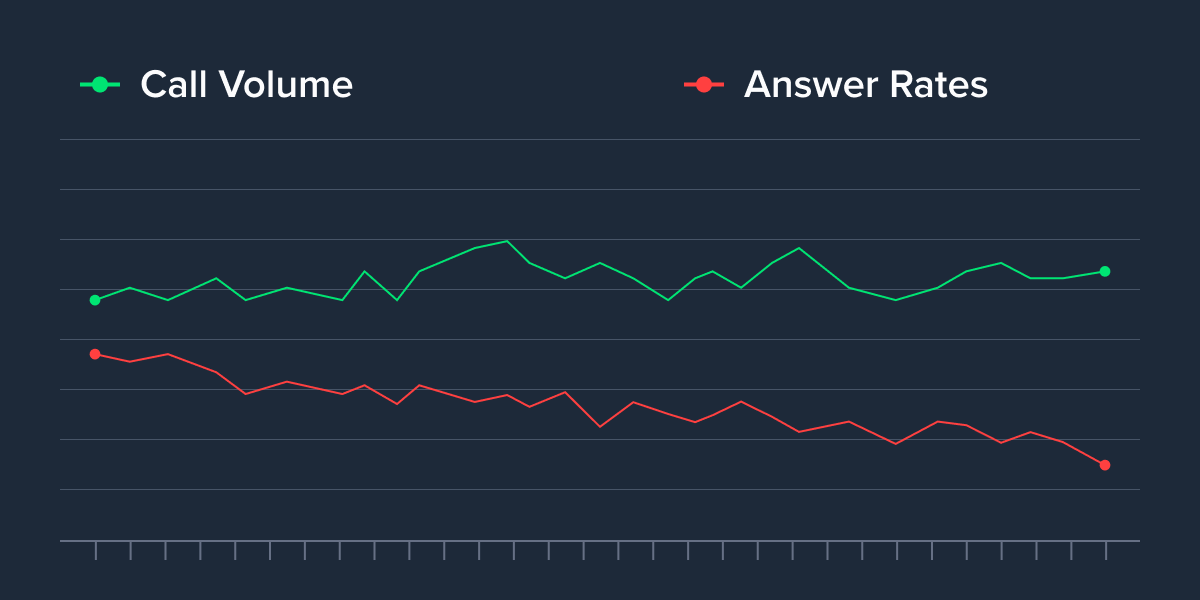
By improving your number reputation, maintaining consistent caller ID information, and avoiding high-risk dialing patterns, ARMOR® helps your calls pass through carrier and analytics filters, making them more likely to be delivered and answered.
Auto and multiline dialers are subject to additional regulations under the TCPA and TSR. Beyond that, more aggressive dialing behavior can trigger spam filters across carriers. The unnatural rapid call pacing and awkward pause that are hallmarks of multiline dialing systems can contribute to dropped calls, increased hangups, and more short duration calls, all of which can be red flags in carrier analytics.
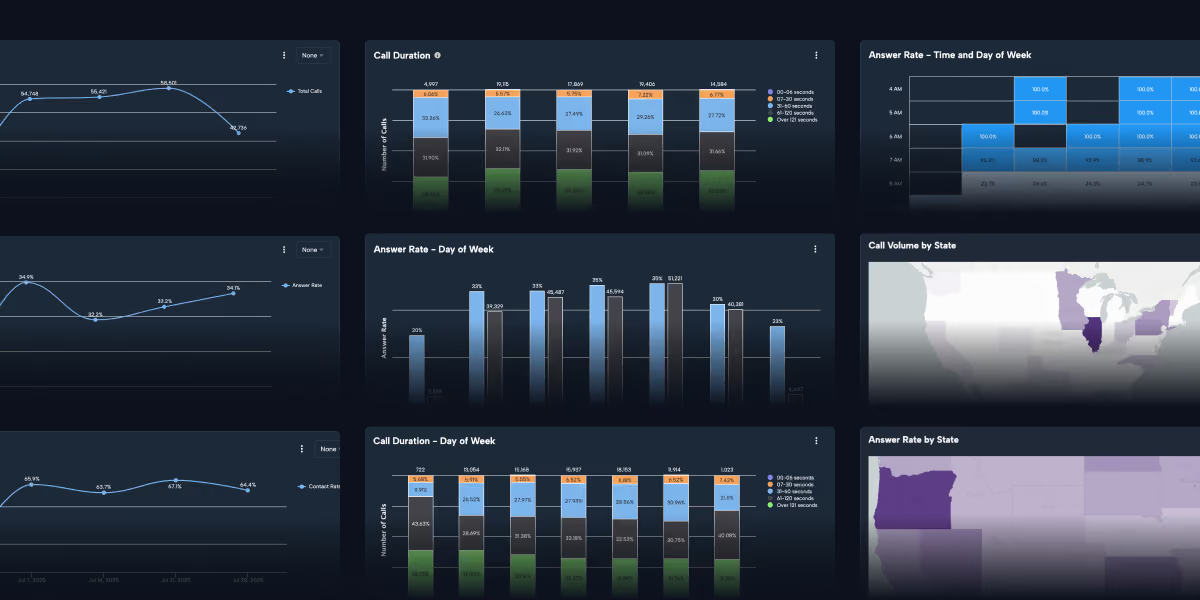
ARMOR® helps teams refine dialing strategy with data-backed insights, showing how specific call behaviors affect answer rates and number health.