Take Control of Spam Flags—Before They Become IT Headaches

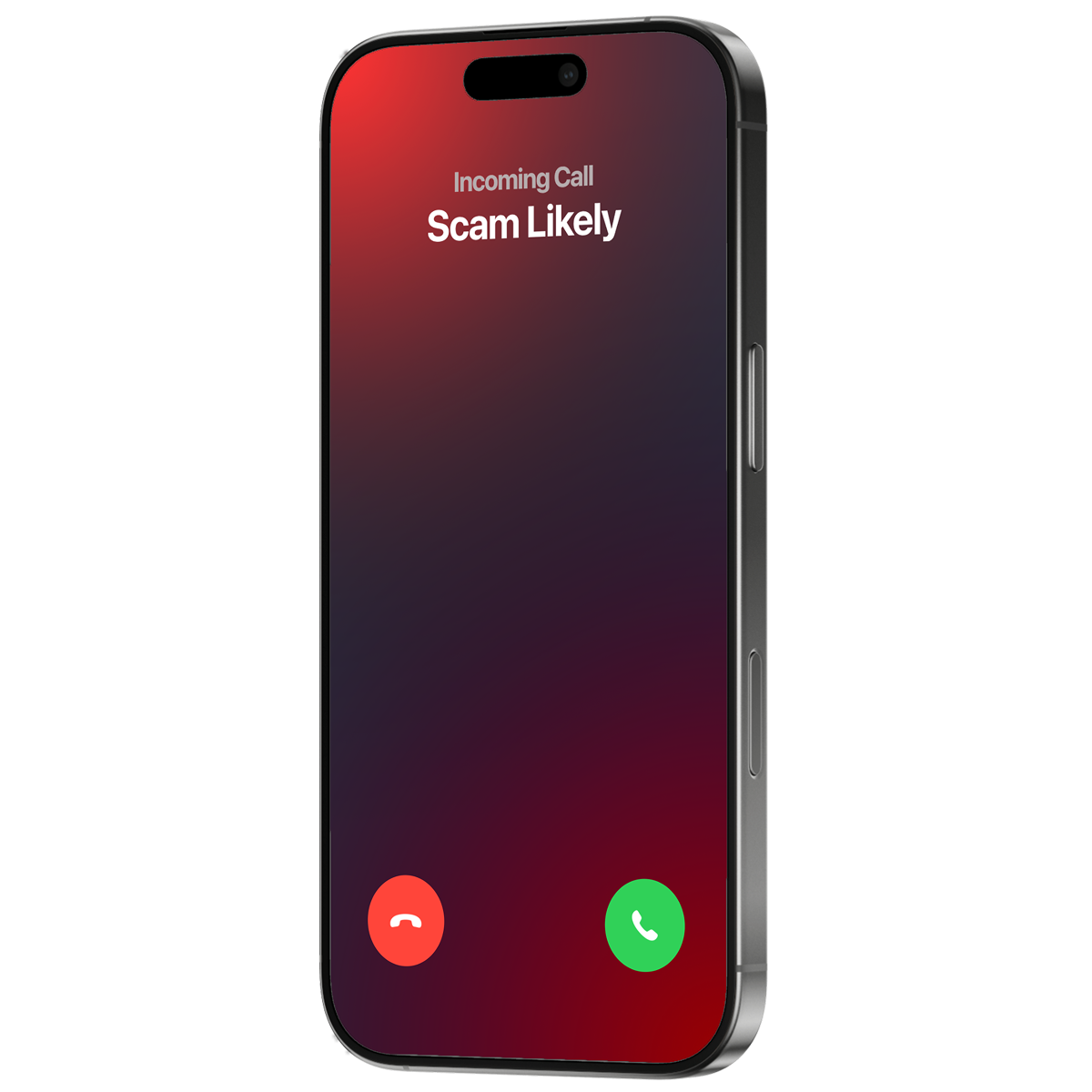
When Calls Show Up as “Spam Risk,” IT Gets the Ticket.

Why IT & Telecom Teams Choose ARMOR®

Verified icon
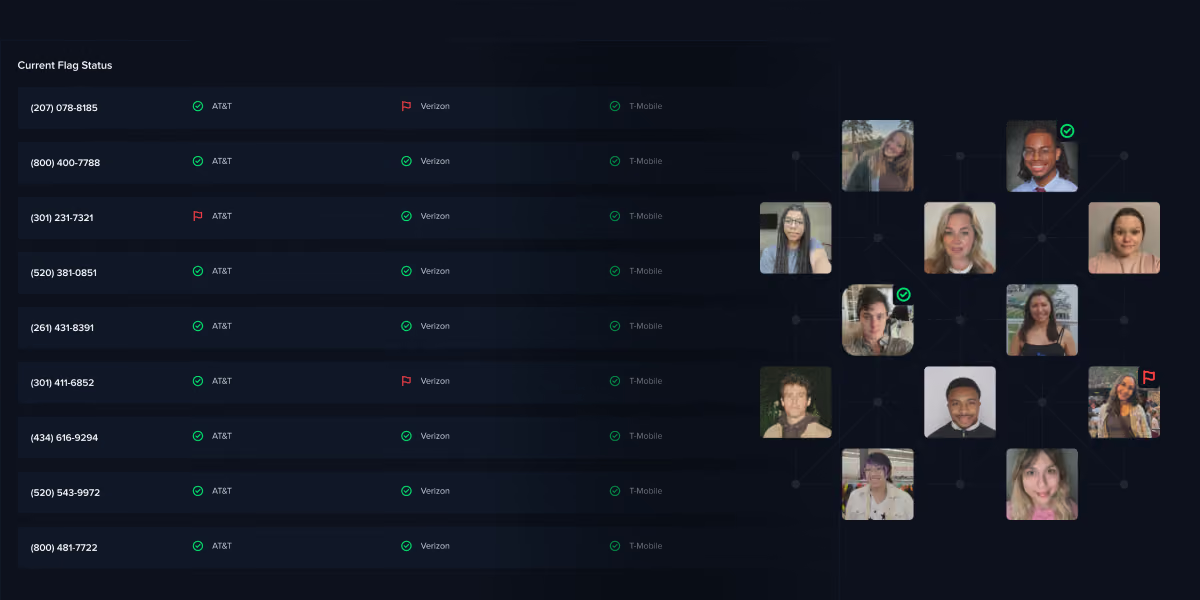
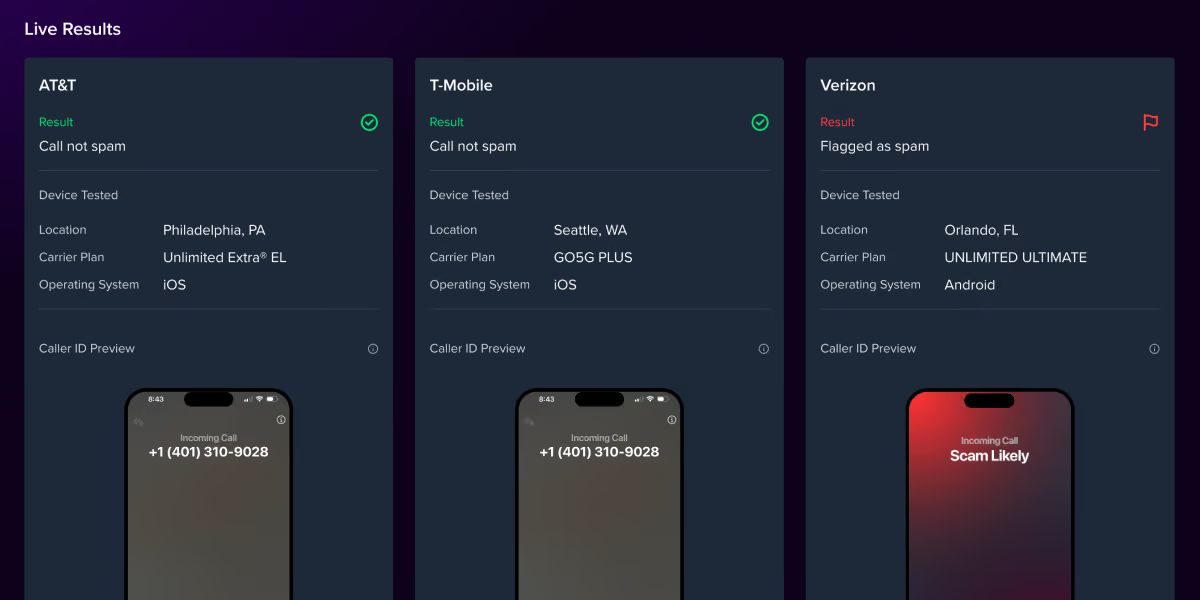
Real-world carrier testing shows how your numbers are labeled
Verified icon
Done-for-you monitoring and remediation reduce repeat IT tickets
Verified icon
Get clear data to show leadership what's happening and why
Verified icon
Seamlessly integrates with your existing tech and telecom stack

Effective Outbound Depends on Reliable Call Labeling

You can have the right phone system, carrier relationships, and routing policies. But if calls are labeled as spam, performance drops—and IT gets pulled into the fallout.

The ARMOR® service gives IT and telecom teams real-world visibility into how outbound numbers are displayed across carriers. You get structured monitoring, documented remediation, and the data needed to support internal teams and external vendors.
When Call Labeling Becomes an IT Problem
It starts with a simple message: "Our calls are marked spam. Fix this." Connect rates drop and leadership wants answers. You review caller ID settings and routing policies. Nothing appears misconfigured — yet carriers are flagging your numbers anyway. The problem lives outside your stack — but the ticket still lands on your desk.
Protect icon
Have a Team Of Experts to Shoulder the Burden
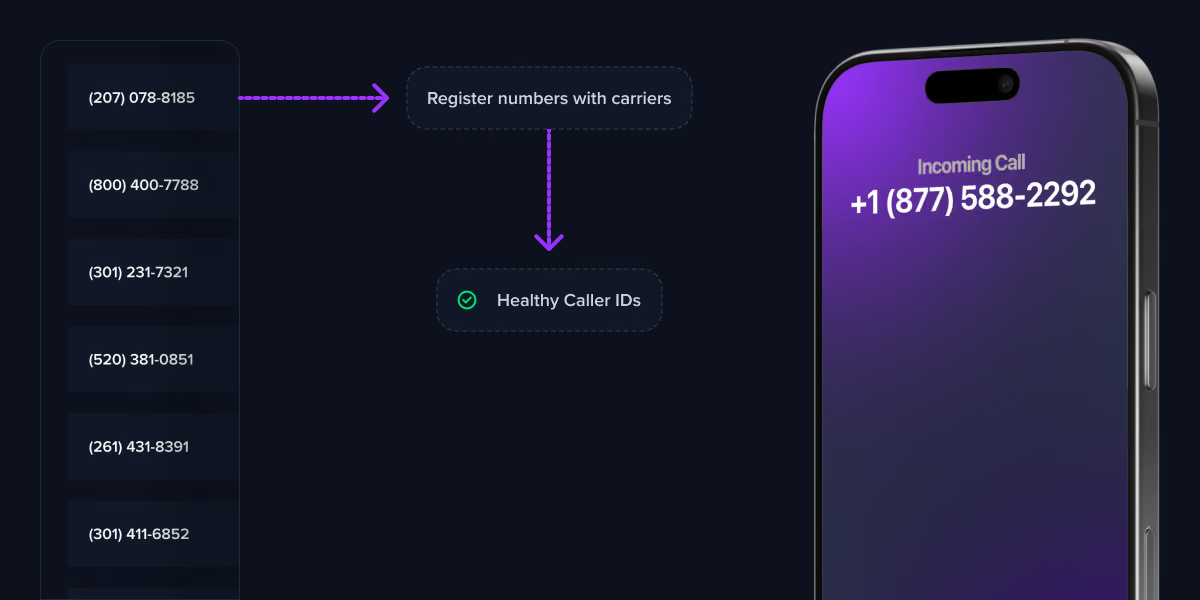
You supply the numbers. We protect them. Everything from carrier registration, to ongoing monitoring and alerts, to negotiating with the carriers on your behalf. With deep relationships and decades of experience inside the call flagging ecosystem, we bring you peace of mind, while keeping spam issues off your desk.

Core Features for IT & Telecom Teams

Routine Monitoring & Alerts

Outbound reputation can shift without warning. Ongoing monitoring helps detect new or recurring spam labels early—before they trigger another round of internal tickets.

Ongoing Updates & Strategic Guidance

Tri-weekly email updates keep your team informed on the remediation status of your entire number inventory. You also gain direct access to a strategic advisor who can provide context, answer questions, and help guide next steps.

Remediation, Done For You

When calls are mislabeled as spam, we move quickly on your behalf. The ARMOR® team escalates directly with analytics providers and carriers for impacted numbers—so you can focus on running your environment.

Designed for Your Existing Stack

Keep your telecom. Keep your dialer. ARMOR® works alongside your existing tech stack, adding monitoring and remediation support without disrupting established processes. Gain added visibility and operational control where it matters most.

ARMOR® Delivers What Others Ignore

Without ARMOR®

Chevron right icon
Recycled and risky numbers
Chevron right icon
Minimum visibility into issues
Chevron right icon
Alerts with manual remediation
Chevron right icon
Basic data, limited insights
Chevron right icon
Limited number-by-number reporting
Chevron right icon
Partial, non-subscriber flag testing

With ARMOR®

Chevron right icon
Fortified numbers carriers trust
Chevron right icon
Spam, spoofing, blocking, and bad actor protection
Chevron right icon
Carrier-specific monitoring with full-service remediation
Chevron right icon
Leading-edge, actionable analytics
Chevron right icon
Unparalleled call-by-call reporting
Chevron right icon
Real-time, real-subscriber on-device testing

Get Protected. Stay Connected.

Contact us to see how ARMOR® helps financial institutions worry less and connect more.
Get Demo

Frequently Asked Questions

Find answers to the questions IT and telecom teams ask most about managing outbound call labeling, reducing internal escalations, and improving visibility into number reputation.
How does ARMOR® support IT and telecom teams specifically?
Chevron down

ARMOR® handles the parts of the call labeling problem that live outside your environment — and can help provide guidance on issues that may originate closer to home, like SIP errors that point to blocked or rejected calls upstream. We monitor your outbound numbers across carriers, alert your team when labels change, and manage remediation directly with analytics providers and carriers on your behalf. IT gets structured updates and documented outcomes — without having to own the process.

How does ARMOR® integrate with our current tech stack?
Chevron down

No changes to your existing infrastructure required. ARMOR® connects to your environment one of two ways: a simple daily CDR file transfer, where your team exports call detail records from your existing platform and sends them to ARMOR® for analysis, or a probe integration, where ARMOR® connects directly to your carrier network to pull data automatically with no ongoing effort from your team. If your organization uses a partnered provider, the probe may already be in place and data can begin flowing as soon as you're onboarded. Either way, there's no disruption to your existing dialer, carrier relationships, or routing setup.

Who handles carrier escalations when a number is flagged?
Chevron down

We do. The ARMOR® team opens and manages tickets directly with carriers and analytics providers to help remove false flags on your behalf. You stay informed through tri-weekly updates without having to manage the back-and-forth yourself.

What visibility does IT get into number status and remediation progress?
Chevron down

The ARMOR® team performs routine monitoring across all of your numbers and will alert you when flags are detected. Your team will continue to receive updates on the status of your numbers, including active flags, remediation in progress, and resolved issues. You also have direct access to a strategic advisor for context and escalation support when needed.

Is ARMOR® only useful when numbers are already flagged?
Chevron down

No. ARMOR® takes a proactive approach from the start — registering your numbers to build carrier trust, continuously monitoring for labeling changes before they generate internal tickets, and providing performance analytics that help your organization optimize calling practices and improve connect rates over time. The goal is to protect number reputation before problems surface, not just respond when they do.

What kinds of numbers does ARMOR® cover?
Chevron down

Any outbound line your organization uses — sales, support, billing, customer success, and more. Many IT teams start with the numbers generating the most tickets and expand coverage from there.

Can't we rotate and replace numbers to avoid spam flags?
Chevron down

No. That can make matters worse. The algorithms have evolved to recognize rotation as a spam tactic, leading carriers to distrust new numbers by default. Because phone numbers share a fingerprint, carriers can connect the dots and flag multiple rotated numbers at once. The safer path is protecting and remediating the numbers you already have, building the kind of long-term reputation that carriers reward.