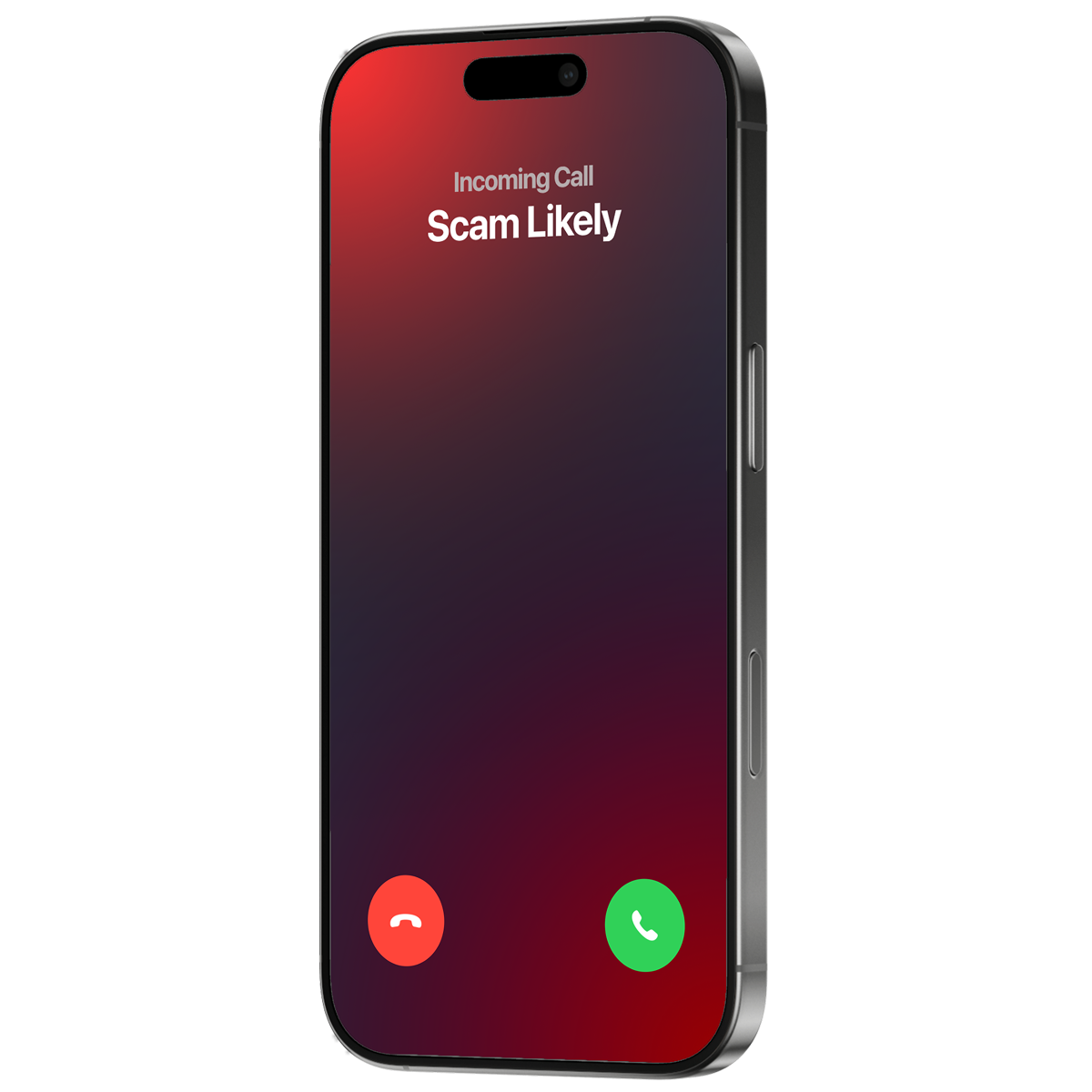
Some calling patterns can cause carriers to decline further remediation for specific numbers. This guide explains the unfavorable call indicators and practical steps that can help reduce negative signals over time.

The ARMOR® service is designed to detect flags on your numbers and negotiate with the carriers on your behalf when calls appear to be incorrectly labeled as spam.
We use call context information that you provide, along with call analytics, to support remediation efforts and strengthen your case with carriers whenever possible.
However, when calls are not requested or expected and generate strong negative signals—such as complaints, blocks, or clear disengagement—carriers reject requests to remove flags.
When this happens, ARMOR® is not able to pursue further remediation for those numbers under current conditions. This does not apply to your entire account. Standard monitoring and protection remain in place. Newly flagged numbers are still eligible for remediation. And eligibility for further remediation can return if call patterns and recipient feedback improve.
In this guide, we will:
When one or more of these indicators are present alongside negative consumer feedback, carriers decide that flags are warranted. Refer to the email you received to see which apply to your numbers and review the explanations below:
Carriers consider calls that are not explicitly requested by recipients to be deserving of spam flags, especially when there is evidence of negative consumer feedback such as low answer rates, short call durations, customer complaints, or number blocks. When calls are viewed as unexpected or solicited, remediation options are extremely limited, and ARMOR® is not able to pursue further remediation until calling practices or consumer feedback change materially.
Carriers assess whether requested calls remain expected based on how quickly the call is placed after consent is given. When calls occur too long after a request, they are often no longer expected by the recipient and may result in negative signals. In these cases, remediation options are limited, and further remediation cannot be pursued until call timing improves.
Carriers may maintain that a spam flag is warranted when lead targeting is too broad, lead data is outdated or inaccurate, or recipients do not recognize or expect the call. This can occur with unsolicited sales outreach, or even when leads have provided indirect consent through third-party sources, where recipients may receive calls from many companies at once and respond with complaints or blocks. When this occurs, ARMOR® is unable to pursue further remediation until lead practices and recipient expectations improve materially.
Even requested calls can become a nuisance if they are too frequent, too close together, or placed at inopportune times. Based on your checklist responses, carriers are likely to view your calls as too frequent/persistent or not well-timed. When this occurs, they reject requests to remove flags, which limits available options until call pacing and timing improve.

The steps below can help reduce the negative signals that prevent further remediation and improve how carriers assess calls over time.
These adjustments are especially important if your outreach includes unrequested or unexpected calls.
After sustained negative feedback—especially on Verizon—pausing outreach may help reduce negative signals before calling resumes.
Tip: Rest affected numbers for 2–3 weeks before gradually resuming outbound calls.
Unexpected calls are less likely to generate complaints or blocks when recipients quickly understand why they’re being contacted and feel respected.
Tip: Open politely. Acknowledge that your call is unexpected. Briefly explain the benefit and ask for permission to continue. State that you’ll remove them from your list if they’re not interested—then follow through.
Example: “Hi {{Name}}, this is {{Name}} from {{Company}}. I know this call is out of the blue — I’m calling to {{mention business/role/pain point to establish relevance}}. Can I take 30 seconds to explain why I’m calling, and if it’s not for you, you can let me know?”
Unrequested calls are far more likely to result in complaints or blocks, so use added caution when dialing unsolicited leads.
Tip: Scrub unsolicited leads against state and federal Do-Not-Call lists, as well as the FCC’s Reassigned Numbers Database, before dialing.
Third-party leads also result in more complaints or blocks, because recipients may not specifically recognize your company, or may feel overwhelmed having already heard from many companies such as yours.
Tip: Reference the recipient’s original request, confirm their interest, and clearly offer to remove anyone who is not—so they are less likely to block or report your number.
Calls to contacts that have already blocked you—or numbers that are disengaged, disconnected, or otherwise unlikely to connect—can quickly generate strong negative signals. Repeat attempts to these numbers are especially likely to attract carrier scrutiny over time.
Tip: Use your ARMOR® dashboard to monitor call frequency to Low Connect Score numbers and calls that result in number blocks or fast hang-ups. Contact our team for help identifying and avoiding these numbers.
How often are you calling? Are you double/triple dialing? Even wanted calls can cause complaints if they are too frequent, too close together, or placed at the wrong time.
Tip: As a general guideline, avoid calling the same person more than once per week. Don’t continue reaching out when there is no engagement. If you do call, leave a clear and compelling voicemail so recipients can return the call if they choose.
If your cadence requires multiple follow-up attempts on unanswered calls, consider dedicating separate number sets to your 1st call, 2nd call, and 3rd and subsequent calls. That way, if it is the 3rd and subsequent calls that are generating complaints and blocks, the number sets used for 1st and 2nd calls are less likely to take a hit in terms of spam flags. The flags get isolated to a smaller set of numbers — making it easier to implement Step 1 and rest those numbers before resuming outreach.
Tip: Set up distinct dialer presets for your 1st, 2nd, and 3rd+ call attempts. This can make flags easier to address and less disruptive overall.
Your ARMOR® dashboard is designed to surface the exact types of call signals carrier algorithms use to assign, uphold, or remove flags. From call volume and duration to engagement patterns, timing, pacing, and persistence metrics, it provides a clear, data-backed view of your calling footprint on the network.
Tip: Take an honest look at the data. It will either reinforce your case for remediation—or show why carriers are standing by the flag until behaviors change. This data provides your roadmap forward.

Even when further remediation is limited, the ARMOR® service continues to support you with ongoing monitoring, clear insight into call performance, and standard protection for new and clean numbers.
For numbers where carriers have declined further remediation, the next step is to improve call practices to reduce negative signals over time. As patterns and consumer feedback change, carriers may reconsider persistent flags. Additionally, eligibility for further remediation may return once you update your checklist to reflect these changes.
If you have questions about the indicators in your email or want help interpreting your ARMOR® dashboard, our team is here to assist.