The pressure to improve answer rates can lead outbound teams toward tactics that actually contribute to the risk of spam flags. Double-tapping contacts, over-calling leads without engagement, running multi-line dialers at aggressive ratios, and misusing local presence can all generate negative reputation signals that accumulate over time. Each one has a safer alternative. The ARMOR® service gives outbound teams the call analytics to identify what's working and what isn't, plus ongoing monitoring and direct carrier remediation when false flags appear.
Answer rates are one of the most watched metrics in outbound sales, but the pressure to raise them can drive teams to make costly errors. In pushing to get more pickups, reps and managers sometimes adopt techniques that create the exact behavioral signals carriers associate with spam. This can lead to spam flags being assigned to their outbound numbers, which of course, only hurts answer rates in the long-run.
Many of these techniques have been circulating in the industry for years and are sometimes actively promoted in trainings, Reddit threads, and platform onboardings. Others develop organically when reps are under pressure to hit activity targets. In most cases, the people using them don't realize they're putting their outbound numbers at risk.
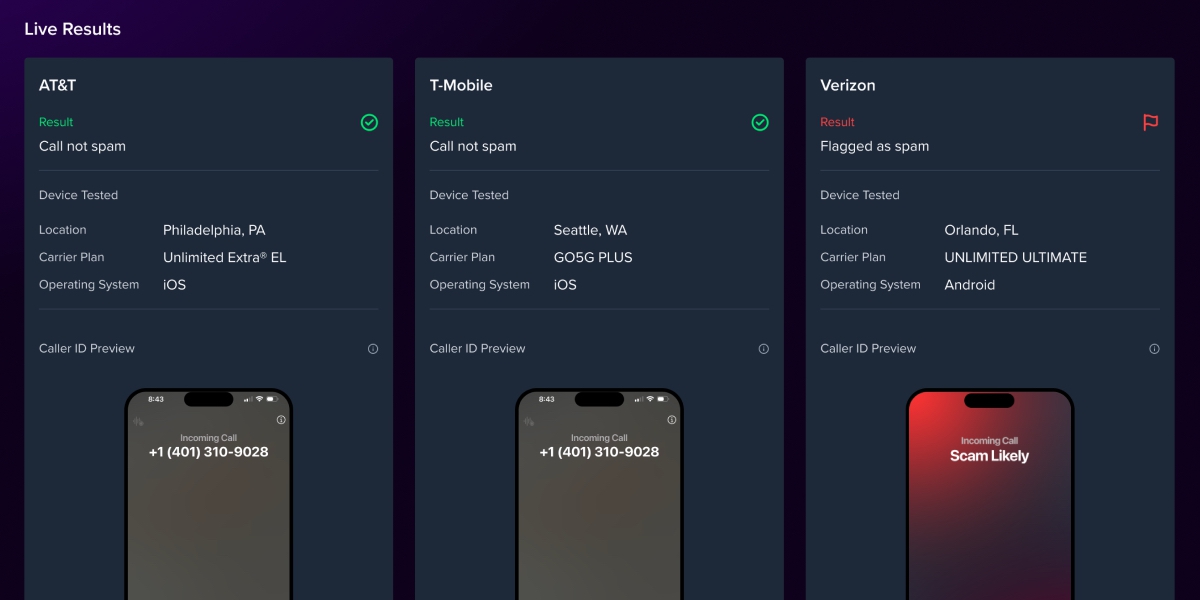
The double-tap refers to the practice of immediately redialing the same number after an unanswered attempt. The theory goes that a second call in quick succession may create urgency or prompt the contact to pick up.
In some cases it's a deliberate tactic; in others, it becomes an unconscious habit. But in either case, it puts the reputation of the number at risk.
Carriers and analytics engines track call frequency to the same destination number. Rapid repeat calls to the same contact are one of the clearest indicators of nuisance behavior to most carriers and analytics engines.
Even when the second call is answered, the contact is often annoyed, leading to short calls, complaints, or blocks. Each of those outcomes feeds directly into the behavioral data carriers use to evaluate your numbers, and when they accumulate they can contribute to a spam flag.
Space out your contact attempts. If no one answers, move on and schedule a reasonably timed follow-up for a later date or time. Consider other contact methods, such as text (with proper consent) or email.
There is a fine line between persistence and annoyance. Over-calling occurs when reps contact the same person too frequently over days or weeks, particularly without any meaningful engagement. Some organizations set high attempt counts (4, 6, 8 attempts per lead) without considering the reasonableness of such a cadence. Others leave it to reps to decide how often to follow up, which can create uneven patterns where certain contacts are called far more often than others.
Carriers have learned to identify when a caller is placing a high volume of low-engagement calls to the same contact and associate that pattern with nuisance calling. The threshold is lower than most teams expect. When a number repeatedly calls the same recipients without engagement (no answer, short calls, immediate hang-ups), the pattern accumulates negative signals against that number.
It's also worth knowing that carriers can identify when multiple numbers belong to the same organization. That means rotating through different numbers in your pool when calling the same contact is still visible to carriers and can result in flagging across a larger inventory of numbers.
Adopt reasonable call cadences that respect your contacts. The right frequency will vary by contact type, industry, and the nature of the call, but erring on the side of restraint is almost always the right instinct. Contacts who feel pestered are unlikely to respond favorably.
It may also help to spread outreach across different channels such as email, SMS, or social, rather than relying entirely on phone contact. Leaving a voicemail also gives contacts the option to call back on their own terms, which is a better outcome than another unanswered attempt.
Track engagement at every stage. A contact who has been called six times without answering is a different situation than one who engages and requires additional callbacks. Your cadence should reflect engagement signals.
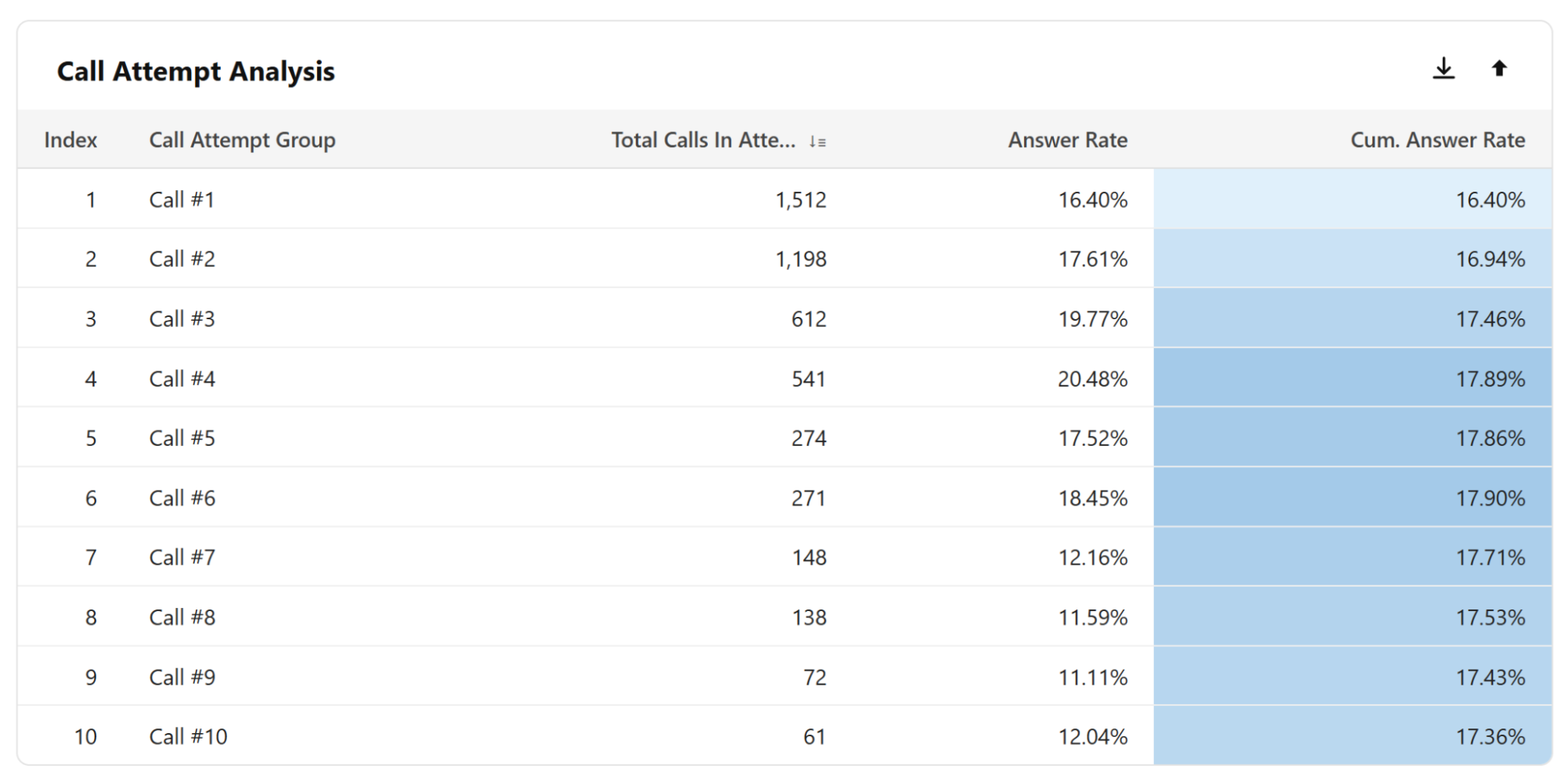
For customers with ARMOR® dashboard access, the Call Attempt Analysis chart shows answer rates by attempt group, making it easy to identify the point at which continued outreach stops producing results and starts producing risk.
Multi-line, or parallel, dialers place several calls at the same time and connect the rep to the first person who answers. For certain call purposes and when a reasonable number of lines is used, they can be an effective way to reduce downtime between conversations and keep reps more productive. But too many organizations believe extra speed is always a win.
Every multi-line call introduces a brief routing delay while the system connects the answering contact to a rep. On top of that, when the number of simultaneous lines is set too high, the risk that calls get dropped entirely increases, because there's no one available to take them.
Dialing multiple lines introduces an audible pause at the start of a connected call that some contacts, depending on the type of call, may find off-putting. This frustration can lead to short duration calls and hangups, as well as spam complaints and number blocks. Naturally both can increase the risk of flags.
The potential for dropped or abandoned calls, which occurs when calls are answered but agents are unavailable, can compound the problem. Exceeding legal thresholds for dropped calls can also result in regulatory penalties.
Finally, reps who use multiline dialers may be less prepared for each call, unaware of who they are speaking to until after the contact has answered. This can impact a rep's ability to open a call positively.
Carefully consider when the added speed of multiline dialing is useful, and when it may inject more risk than benefit. It generally depends on the types of calls you’re making, the relationship you have with the contacts you’re calling, the number of lines you’re using, and other factors.
When a seamless experience is needed, consider using a power dialer that connects one call at a time instead of a multi-line dialer. Power dialers eliminate the routing delay entirely, meaning contacts hear a rep's voice as soon as they answer. They also remove the risk of dropped calls, since only one call is placed at a time.
Further Reading:
Local presence dialing displays a phone number with an area code that matches the recipient's region. Many believe that contacts are more likely to answer a call from a local number that they recognize, which makes this an appealing tactic for teams calling across multiple states or regions.
When implemented correctly, local presence dialing is a legal and accepted practice. The business owns or leases the numbers, has a legitimate presence in the areas it's calling, and callbacks to those numbers actually reach the organization.
The misuse happens when businesses display local numbers in areas where they don’t have an actual presence, or when they cycle through local numbers they don't own. Neighborhood spoofing, a spam/scam technique in which callers mimic the area code and prefix to appear local, is one such example. In order to comply with the Truth in Caller ID Act, which prohibits transmitting misleading or inaccurate caller ID information with the intent to defraud, cause harm, or wrongfully obtain anything of value, the use of Local Presence should be limited to locations in which you have a genuine operational presence.
The widespread abuse of Local Presence dialing, notably the practice of neighborhood spoofing has made many contacts weary of calls that appear local unless they recognize the Caller ID. When contacts answer, if it’s clear that the caller is not actually local, the frustration can lead to negative call signals (like hangups), or negative consumer feedback (like number blocks and spam complaints). In both cases, this increases the risk of flag labels, which hurts answer rates rather than improving them.
Additionally, when adopting Local Presence, businesses should ensure callbacks route properly. When callbacks fail, it can destroy any trust the caller may have had in your company. If someone returns a call and reaches a generic voicemail, a disconnected line, or a person in another state who doesn’t know why they were contacted, it leads to frustration, complaints, or blocked numbers.
Only use local presence dialing when your business has a legitimate presence in the area you're calling. Make sure every number you display is one you own, and that callbacks to those numbers reach your organization
Answer rates matter, but how you improve them matters just as much. Many common tactics focus on getting more pickups in the short term at the expense of long-term number health, and carriers have become increasingly effective at spotting those patterns. The examples highlighted above are some of the most glaring.
The good news is that safer alternatives exist. Better pacing, smarter channel diversification, better contact targeting, list hygiene, proper dialer configuration, and honest local presence practices can protect your numbers while keeping your outreach effective.
The tactics described above don't always result in an immediate flag. But when the signals accumulate to the point where a carrier does apply a flag, most organizations only find out after their answer rates have already dropped.
We can help in a few key ways:
The ARMOR® dashboard gives ProtectPlus customers access to comprehensive call analytics that help surface issues that are likely to lead to flags, as well as opportunities to fine tune strategy for results.
The ARMOR® service monitors your numbers across all major U.S. carriers for spam flags and other call deliverability threats. When a flag is detected, we alert you immediately, giving you the visibility you need to keep dialing with confidence.
When ARMOR® customers’ calls are mislabeled as spam, our team jumps into action on your behalf. With firsthand experience working inside the carriers and analytics engines that power spam detection, including roles at AT&T, Hiya, First Orion, T-Mobile, and Windstream, our team deeply understands how the algorithms operate and knows how to make the case for your numbers when they get it wrong. The result is greater peace of mind, stronger number reputation, and more calls answered.