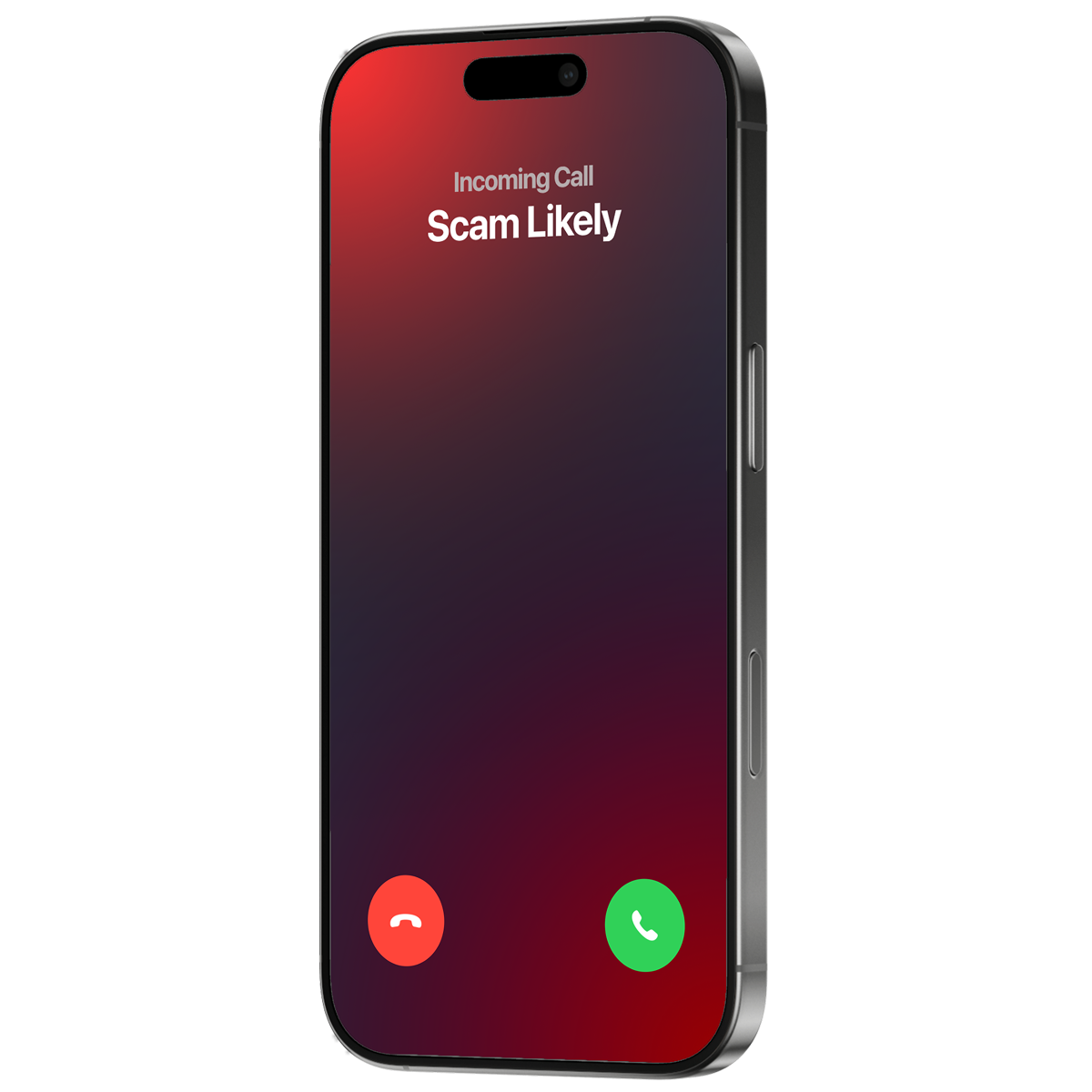
Warm leads are more likely to answer and engage with your team’s calls than cold ones. To warm up leads before calling them, ask for consent, create awareness, master your timing, and keep records of every interaction. This can improve answer rates and average call duration, which carriers consider when determining whether to flag your calls. Monitoring your numbers with the ARMOR® service can also surface spam flags so you can quickly act to remediate and continue dialing effectively.
Most outbound sales teams treat "cold" and "warm" like fixed labels, but they're not. Cold just means no one has reacted to you yet. Warm means they did.
The space between the two is where the whole game is won, and it's work you do before the phone rings.
This is the part the rest of the industry skips. Plenty of guides tell you how to "warm up a number." Almost nobody tells you how to warm up a lead. That's what this is.
You’ll also learn how to set up a dedicated line to reach your warm leads, and how to protect the reputation of your outbound numbers so those calls have the best chance of connecting.
A cold call has a real meaning. It's a call to someone who didn't ask to hear from you and has no relationship with you yet. (For the rules side of that, see our article on Cold Calling Done Right.)
The important part is what changes it. A lead stops being cold the moment they do something to respond to you:
That's the flip. Cold is you talking into silence; warm is the first echo that comes back. You're not waiting for "yes, I'll buy." You're waiting for "yes, you exist, and I'll engage." Everything below is about earning that echo before you dial.
Starting a call to a cold lead with a lengthy pitch might turn the lead away quickly, which causes two problems. Not only do you lose the lead, but you also create negative trust signals, such as low call duration, the contact manually blocking your number, or a consumer complaint. When these signals accumulate, they impact the reputation score carriers assign to your number and can increase your spam flag risk.
Instead, try setting a more achievable goal. Your first touch isn't there to sell. It's there to get a flick of the thumb. All you need at this stage is one or two lines, carefully crafted to earn a reply:
Finally, whenever you’re reaching out via email, make sure your outreach complies with CAN-SPAM requirements, including a working unsubscribe link and your physical business address.
These are the moves that do the actual converting. The first few are well proven. The last one is a newer idea worth testing.
Before you dial, ask via another channel where the contact has opted in to receive your communications. "I've got something specific for your team, okay if I give you a quick ring Thursday around 2?" A "sure" changes everything. The call is no longer an ambush. It's an appointment they're expecting. This is the single biggest difference between a call that gets answered and one that gets blocked.
People reply to names they recognize much more often than they reply to strangers. So let your name land in their world a couple of times first: a LinkedIn connection, a genuine comment on their post, or one useful email. By the time you dial, you're no longer an "unknown number." You're a contact they recognize.
Most teams call on a schedule: Day 1, Day 3, Day 5, regardless of whether or not anything happened. Try the opposite and time your calls around when they act. The moment someone opens your email a second time, clicks a link, or accepts your LinkedIn, that's your window. You're calling while you're on their mind, not three days after they forgot you.
In addition to building a small, friendly opt-in into your first touch, it’s important to keep a record of how your lead replies—to that first interaction and every one that follows. In addition to warming the lead, this gives you a paper trail of their interest. (The "yes" is the warming move. For what a yes needs to count as prior written consent under federal and/or state law, check with your own counsel.)
Now here’s the bigger idea, and it's one almost nobody is doing on purpose.
Say you have 200 leads and 10 have gone warm. What do you do with the other 190? You don't throw them away. You just don't treat them the same.
Run two numbers, separated by the temperature of the leads you’re calling:
As each cold lead warms up, you’ll eventually move it from the prospecting line to the warm line. This way, your best conversations always ride your cleanest number while the hard prospecting never touches it. It's really an extension of a rule the carriers already reward: keep one number for each job.
However, it’s vital to understand that this isn't a magic wall. Carriers typically assess your business numbers as a group when assigning reputation scores instead of considering each number in isolation, so a badly-run prospecting line can still have a negative impact on other lines you use. . Splitting your lines helps a lot, but you still have to run the cold line well and take steps to protect its reputation. You'll also want to monitor both numbers to verify that the split is working.
Learn More: Everything You Need to Set New Numbers Up for Success
Here's the part that ties it all together: a person who reacted to you before you called is far more likely to answer, stay on the line, and not report you. Those are important signals that signify to carriers that your calls deserve to be trusted instead of screened, blocked, or flagged.
So turning cold leads warm isn't only good for sales. It also has a positive downstream impact on your number reputation.You're giving real people real reasons to want the call, which is what the whole system is built to reward.
You don't have to take any of this on faith. ARMOR® customers on ProtectPlus can use analytics data from their dashboard to track and optimize the impact of their outbound calling campaigns in the following ways:
That's the difference between hoping a tactic works and watching it work. Try a couple of these this week, then look at your data. The numbers will tell you the truth.
Turning your cold leads warm before dialing improves your odds of reaching them and the quality of those interactions. That means it is also likely to improve your answer rates, average call duration, and other trust signals carriers use to make decisions about whether your calls reach contacts and how they’re displayed.
Warming up your leads before you dial is one important part of helping protect your business numbers. Monitoring them on an ongoing basis identifies reputation problems so you can quickly act to prevent them from dragging down the performance of your outbound lines.
If you want help turning more of your cold leads warm, and setting up your numbers so your best calls stay clean, talk to your ARMOR® team. We'll look at how you reach out today and map the changes most likely to get you answered.
This article is general information, not legal advice.