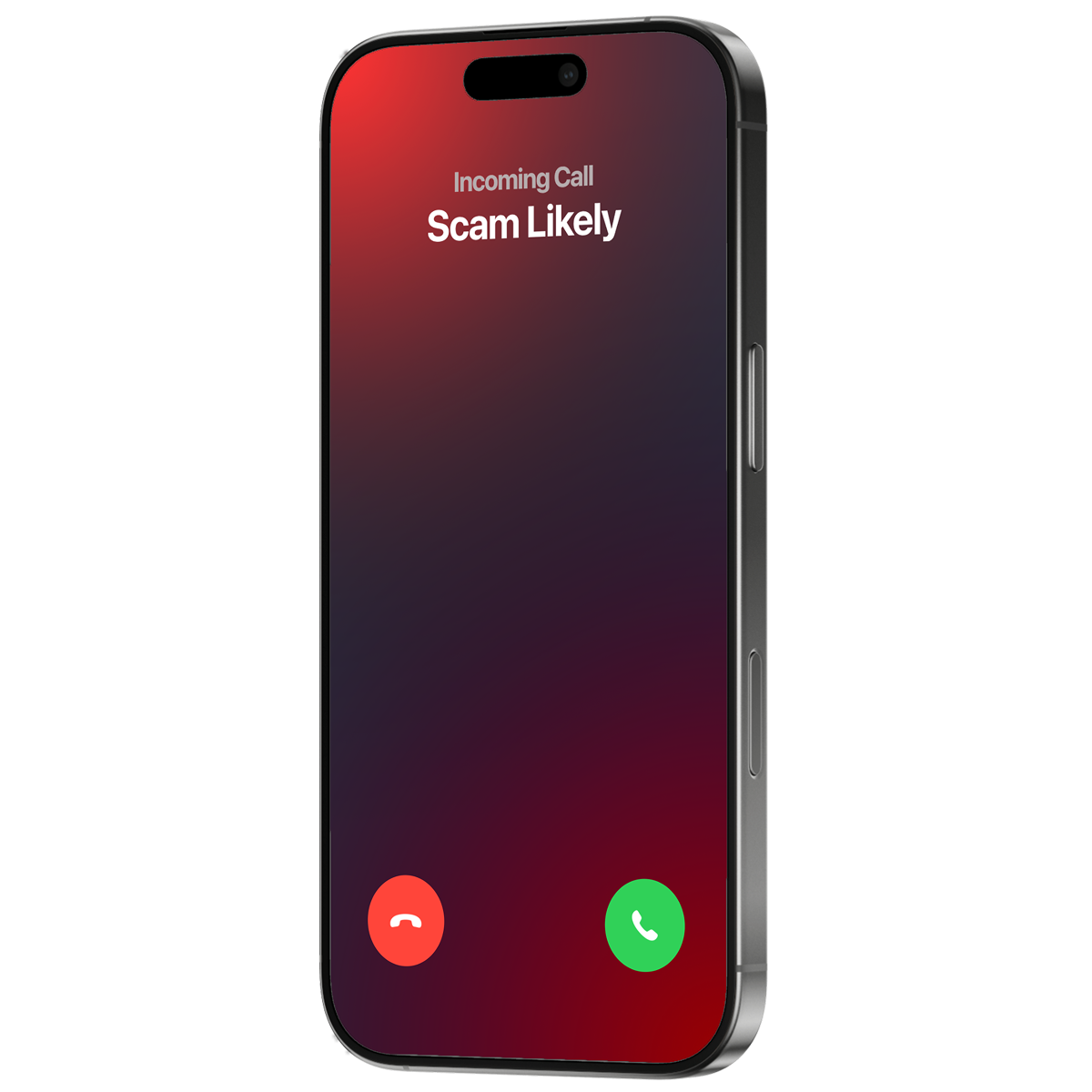
Cold calls must follow legal requirements, but they must also be welcomed by recipients to avoid being blocked, ignored, hung-up on, or reported. These negative reputation signals can lead to spam flags on outbound numbers that impact call deliverability. Seek consent when needed, comply with opt-out requests, respect DNC lists, call during appropriate windows, and follow regional telemarketing laws. The ARMOR® service provides ongoing monitoring for false spam flags and expert support to remediate them directly with the assigning carriers.
This article is general information, not legal advice. The rules for calling change often and depend on how you dial, who you call, and where they live.
Plenty of good businesses are built on first-time calls. Many professionals regularly pick up the phone to reach people who didn’t ask to hear from them yet, including:
… And more
If that's you, you've probably noticed the following challenge: your calls are honest and your offer is real, but your numbers keep getting flagged, and a chunk of your calls quietly stop connecting.
Here's the honest truth we want to share with every cold caller: first-time calls do start behind. No clever wording changes that. But "behind" is not "doomed."
If you follow the law and respect the person on the other end, a legitimate cold-calling operation can keep connecting for the long haul. This is the playbook we use to get you there, from understanding key legal requirements to protecting your outbound number reputation.
This is the one idea that matters most, so we'll say it plainly. Think of it as one rulebook and two judges.
Behind the big carriers are a few analytics companies with names like Hiya, TNS, and First Orion, which turn those reactions into a score. Each carrier works with one, and the criteria they use to assess your numbers continuously evolves. They don't see your emails. They don't see your good intentions. They see what your calls actually do.
So you have to clear two different bars. Stay inside the rulebook, and be someone people actually want to hear from. You can follow every law and still get flagged, because the judges care about your behavior, not your paperwork. And you can have a clean number today and still break a rule that catches up with you later.
Related: Outbound Calling in 2026: Stay Ahead of What's Changing
A cold call has a specific meaning. It's a sales call to someone who didn't ask to hear from you and has no relationship with you yet.
The carriers know that pattern when they see it. A first-time call has less going for it: the person doesn't know the number, didn't ask for it, and is more likely to ignore it or hang up. So these calls send negative signals to the carriers. It isn't personal. It's just the math of the pattern.
But here's the good news, and it's the whole game: cold isn't a permanent label; it's a starting point. Two things change it: when someone gives you permission, or when you build a real relationship. The moment either happens, the call isn't really cold anymore (more on how to make that happen below).
So the goal is never to dress a cold call up as something it isn't. Carriers check your story against the real data on your number, and a story that doesn't match only makes things worse. The goal is to make your number look like what it really is: a real business that people are glad to hear from.
Related: Optimizing Call Deliverability When Dialing at Scale: A Guide for Enterprise Phone Sales Teams
Before the carriers ever judge your call, the law sets some ground rules. The big ones are simple:
One more thing: who you’re calling matters. The rules aren’t the same for every call. Calling a business (B2B) and calling a consumer (B2C) are treated differently under federal and state law. Consumer calls generally carry stricter requirements around consent, Do-Not-Call lists, and calling hours. If your team calls both, it’s worth knowing which rules apply to which list, because a practice that’s fine for one audience may not be fine for the other.
The rules change often and depend on your setup, so this isn't the whole story. It's the part that keeps you out of obvious trouble. For anything specific to your business, talk to someone who knows your situation. That's not us dodging; it's the honest answer.
This is where good intentions turn into good results. The law sets the floor. The person you're calling helps inform your number reputation. Here are some ground rules for staying on the right side of both.
You may be allowed to dial at 8:30 p.m. But the person sitting down to dinner with their kids didn't want the interruption, and they're free to block you or report you for it. The carrier counts that block. It doesn't check whether the call was legal. So before you set your calling hours, ask yourself a simple question: when would I want a telemarketer to call me? Call then.
That same instinct guides the rest of the tips in this section.
Cold means no one has reacted to you yet. Warm means they did. It might be a reply, a click, a question, a booked time. The best cold call is the one that isn't cold anymore, because the person already raised their hand and is expecting to answer your next call. Earning that response before you call is the single biggest thing you can do, and it's worth its own playbook: Turn Cold Leads Into Warm Ones Before You Dial.
Bad data and poor targeting drag down answer rates before your team even starts dialing. Outdated lists, weak-fit prospects, and poorly sourced numbers can make legitimate outreach look like mass dialing. Better targeting gives your calls a stronger foundation, reaching people who are more relevant, more likely to engage, and less likely to send negative signals.
Cap how often you call someone within any week. Space your calls out. Don't call back-to-back after a miss, and don't ramp your volume in sudden spikes. A steady cadence looks more like the dialing behavior of a business. Bursts look like the pattern of a robocaller.
A real conversation is the strongest sign a call was wanted. Train your reps to say who they are, get to the point, and sound like a person. Leave a short, useful voicemail instead of hanging up (we go deep on this in this article: Increase Call Duration to Safeguard Number Reputation).
Don't mix sales and support on the same line. It muddies both the data and the reputation. If you need more volume, spread it across a set of owned, registered numbers, but don't churn through disposable ones to dodge flags. That trick backfires, and carriers are built to catch it.
Bad data can hide honeypot numbers: dead lines set up to catch mass dialers. Hit one and you get a strong negative mark. Clean sourcing keeps you out of the trap. Checking the FCC’s Reassigned Numbers Database is critical.
You can't fix what you can't see. Keep an eye on your answer rate, call length, complaints, and blocks for each number, so you can fix a slide before it becomes a flag.
Even careful callers get flagged. When it happens, the way forward is simple: honest answers plus real changes. Carriers check your story against your call data, so the strongest case for remediating a flag is one where your habits back you up. Our guide on preventing spam flags covers the day-to-day version of this.
We'll also be straight with you about the hard cases. A number with a long history of bad signals can reach a point where it can't really be cleared anymore. When that happens, the better move is to retire it and start fresh on a clean line, with these habits in place, so the new number doesn't burn the same way.
Knowing the difference protects your money by preventing you from wasting resources on a number that is beyond saving. If you’re working with the ARMOR® team to protect your number reputation, this is something we’ll always be honest with you about instead of letting you chase a number that can't recover.
Here's what we want every cold caller to know: ARMOR® isn’t a button that clears flags; it’s a service that holistically safeguards your outbound number reputation to improve the overall deliverability of your calls. Our platform was built by people who've spent years working inside the systems that score your calls, and our job is to be your guide on the habits that actually keep you connecting.
That means:
Cold calling done right is a long game. The teams that succeed at it aren't trying to trick the system; they're building a clean, fair, trusted calling operation that holds up over time. That takes work, but it's exactly what we're here to help you achieve.
If you run first-time outbound and want your numbers to stay healthy, reach out to the ARMOR® team. We’ll be happy to explain more about how data driven changes to your calling habits and number setup can improve the likelihood that your cold calls continue connecting.
Talk to Your ARMOR® Team | Run a Free Spam Check
This article is general information, not legal advice.