In the automotive industry, the phone is one of the most important tools for connecting with buyers and keeping service relationships alive. But when the phone numbers automotive teams rely on pick up spam flags, calls that should be building pipeline and retaining customers don't connect. This article breaks down exactly how poor number reputation affects auto sales and service teams, and how ARMOR® number reputation management protects the deliverability of the calls your automotive business depends on.
The window to reach a high-intent car buyer is short, and when an existing customer’s vehicle needs a service update, they need to know as soon as possible. For sales and service teams in the automotive industry, that means your outbound calls need to connect with your contacts.
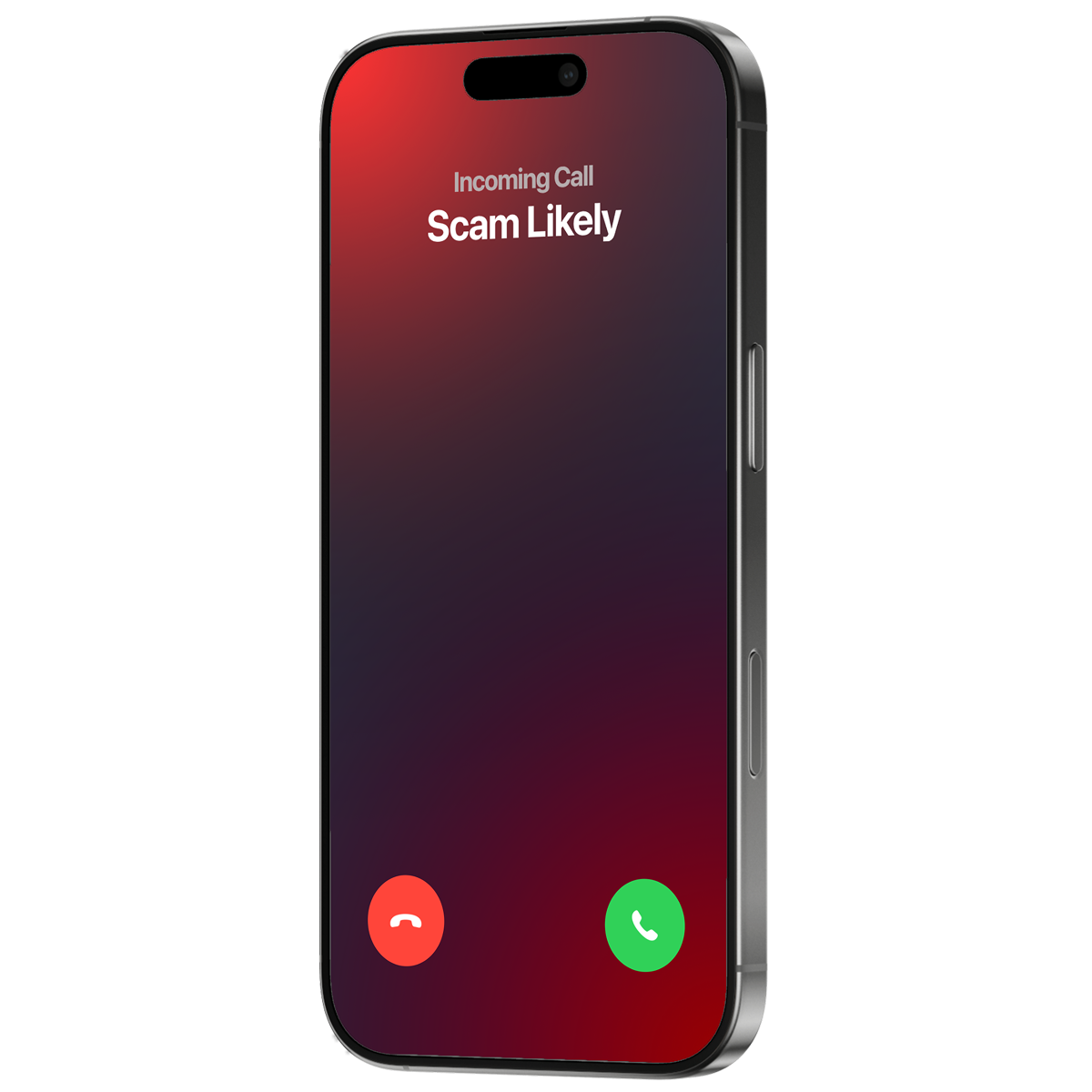
Number reputation plays a critical role in whether or not that happens, and unfortunately a lot of automotive business owners find that the numbers they use to reach their contacts are being mislabeled "Potential Spam", “Spam Risk”, or "Scam Likely." Managing an auto group's full fleet of numbers across carriers is an ongoing burden most operators weren't hired to carry. And the stakes are high.
When spam flags are attached to your sales numbers, customers who raised their hand for a quote, or who are waiting for a financing update feel like they got ghosted. When your service department numbers are flagged, customers expecting follow-ups miss your calls and question your service reliability. Some will take their car (and their loyalty) to your competitors.
This article is the first in a series examining how number reputation impacts business operations across specific industries. The automotive sector is a natural place to start, since it runs on high-volume outbound calling for two distinct use cases: sales and service.

In automotive sales, speed-to-lead is absolutely critical. A shopper who just submitted a lead form is in a completely different mindset than that same shopper 24 hours later. This is especially true if they inquire about multiple vehicles and another seller reaches out first.
Research shows that the odds of qualifying a new lead drop by 21 times if you take 30 minutes to call them vs. calling in the first five minutes.
For auto sales teams at franchise dealerships, independent lots, or even digital-first retailers, the story is the same: reaching high-intent buyers quickly is the foundation of the entire outbound strategy.
But spam flags assigned to your outbound numbers cripple your ability to make contact. 80% of Americans don’t even answer calls from numbers they don’t recognize, let alone those with warning labels attached to them.
When one of your sales numbers carries a flag, the prospect sees the warning label on their screen instead of your business information and most of them choose not to answer. This creates a significant risk of reps burning leads, even when they represent prospects with a high intent to purchase. It may take much longer to reach a given contact, assuming a rep manages to reach them at all.
Without a way to monitor business numbers for spam flags, auto sales teams can lose a significant portion of their leads to flags they haven’t even identified.
Related: How to Check if Your Phone Number Is Marked as Spam (How to Tell for Sure)
Even for buyers further along in the process, auto sales conversations often continue by phone. Calls from reps to confirm appointments, follow up on trade-in appraisals, or close on final details all need to be answered.
But spam flags create an active reason not to answer, and the consequences for in-progress deals can compound quickly:
The time your reps have spent patiently working these leads over days or weeks can be wiped out by a single flag on the wrong number.
This can derail meaningful relationships and create lasting credibility problems for your business, leading to significant ongoing costs.
Your dealership's phone numbers are part of your brand. When calls from those numbers show up with warning labels, it damages trust in your business.
The phone is one of the earliest live touchpoints prospects have with your dealership. When your calls look suspicious, it puts them on the defensive and actively harms your brand before any conversation begins.
Prospects who answer and realize the warning label was on a legitimate call may mention it to friends, family, or in reviews. Some simply choose a competitor whose call came through clean. Those who don't answer never connect the label to your business, but they assume you never followed up.
Consider a prospect who submitted a lead form, asked about a car in stock, or requested financing information. They already raised their hand. When your callback shows up as "Spam Risk," it's a direct hit to your reputation - and revenue walks out the door. This is part of why number reputation impacts every part of your funnel.
Once your brand credibility takes a hit, general consumer sentiment towards your business usually weakens as well. You may also find yourself receiving a higher number of negative reviews, or a lower amount of referrals. Quickly identifying and dealing with spam flags can help you avoid these downstream consequences.

Service operations keep automotive businesses profitable and customer relationships strong. Outbound calls from these teams serve several key purposes, such as:
Many of these calls are urgent and time-sensitive, so customers are expecting them. But when these calls display warning labels instead of your business number, they are rarely answered.
A customer who didn’t get their 30,000-mile service reminder may neglect important maintenance for their vehicle, leading to expensive problems and damaged trust. And when they realize they need the service on their own, they may book with a competitor. The costs of this lost service work can be significant, but they are also preventable.
When number reputation problems lead to spam flags on service calls, it creates bigger problems than a few missed appointments. Customers who ignore enough of these calls because of the warning labels may get frustrated by your lack of follow-up (or follow-through). Or they may just disengage quietly, forgetting to schedule the next service and drifting to whoever asks for the business.
This is one of the more insidious effects of poor number reputation, and one that service operations rarely have visibility into. Remember: your customer doesn’t know that your number is flagged. If you don’t know either, your reps will just continue calling them from the flagged number, while the customer assumes you aren’t trying to reach them at all.
If this goes on for long enough, the costs can be significant. The customer might start taking their car in for service at a competitor who seems more proactive, or they might call your service desk with complaints. They could also leave negative reviews that cost you other potential customers in the future.
Ever miss inbound calls? By some estimates, auto service providers miss more than 20% of inbound calls. Whether these are existing customers calling with questions or new customers looking for a quote, calling back on a flagged number leads to lost opportunity and lost revenue.
The recovery window for a missed inbound call is short. A customer who couldn't reach you is already looking at the next option, and a flagged callback that goes unanswered just confirms what they assumed: nobody was calling back. The same flag that undermines your proactive outreach breaks your reactive recovery, too. Within an hour, they've already spoken with the next shop on Google.
For automotive businesses engaged in both sales and service, the relationship between a car dealership's service department and its future vehicle sales is well established. According to Cox Automotive's 2026 Fixed Operations and Ownership Study, customers who return to the dealer for service are 30 points more likely to repurchase from that dealer in the future. The service lane is, in many ways, the long game for automotive sales.
When service outreach fails repeatedly because the numbers carrying it are flagged, that relationship erodes. A customer who stops coming in because your service desk seemed unresponsive is a customer who might very well buy their next car, tire, or part somewhere else. The damage shows up in sales revenue, not just in service revenue.
That means a spam flag on a service department number is more than just a small operational problem. It's a retention problem as well.
Most automotive businesses and car dealerships are genuinely doing their best to contact sales prospects and customers responsibly. But carrier algorithms are complex, and many automotive businesses find that their numbers get labeled as spam.
That leaves management with a difficult burden having to research the issue, make remediation requests with carriers, and try to stay on top of flags across several, if not dozens of numbers - all while hoping the problem stays quiet long enough to focus on actual business. It's reactive, time-consuming, and it never fully goes away.
That’s why automotive businesses turn to the ARMOR® service. We provide ongoing monitoring for your numbers and notify you when we detect “Spam Risk,” “Potential Spam,” or another label on any of your protected numbers. The ARMOR® team remediates directly with the impacted carrier(s) on your behalf to help remove false flags, restore your number reputation, and get you back to dialing with confidence.
For automotive teams, this means:
Proactive protection can also get you off the hamster-wheel of constantly rotating and replacing flagged numbers, a tactic carriers associate with bad actors and one that typically backfires. Learn more about why number rotation doesn’t work.
The ARMOR team is uniquely qualified to help automotive businesses keep legitimate calls connecting.
We've spent decades inside this ecosystem and know how flag decisions get made from the inside. Our team includes veterans of AT&T, Hiya, First Orion, T-Mobile, and Windstream, carriers and analytics engines whose systems decide when labels get assigned (and removed). We know calls the way you know cars, and we’re here to support you the same way you support your customers.
It’s time to protect your outbound. Get ARMOR® call protection, let us monitor your sales and service lines, and support the reputation of the business numbers your automotive business depends on.
Carrier analytics engines evaluate a wide range of signals across your calls when deciding whether to assign flags to your numbers. These include volume patterns, frequency, call duration, complaint rates, and other dialing behaviors. When automotive sales teams and service teams exhibit call patterns that resemble those associated with spam calls, the carriers may assign labels to your calls, even if your call practices are sound.
For a full breakdown of the signals that contribute to flags, see this article: 27 Factors That Can Drive Up Your Spam Flag Risk.
You can test any number for free right now using our Free Spam Flag Checker, which places test calls to actual subscribers across Verizon, AT&T, and T-Mobile and provides rea-time screenshots to show you how your calls are displaying on different devices. One test call to a colleague's phone won't give you an accurate picture, because flags can vary by device, location, and carrier network.
It’s a common misconception that the best way to deal with flagged numbers is simply to replace them with brand new ones. This practice, commonly known as number rotation, rarely solves the problem, because spam callers and other bad actors often employ the same tactic. Carrier algorithms have evolved to connect the dots, associate new numbers with your organization based on shared call fingerprints, and quickly assign flags to the new numbers. The more effective path is to manage number reputation proactively by identifying and remediating flags, improving your dialing practices, and monitoring your numbers on an ongoing basis to protect your outbound operation.
The ARMOR® service monitors your automotive sales and service numbers on an ongoing basis and works directly with carriers to remediate false flags.
ARMOR® customers on ProtectPlus or ProtectMax tiers enjoy access to detailed call analytics data via the ARMOR® dashboard, which surfaces answer rates, optimal call times, average call duration, call frequency, and other metrics that factor into carrier flagging decisions. ProtectMax customers also receive access to a dedicated Customer Success Manager who can provide expert guidance based on specific trends in their unique analytics data, supporting optimum deliverability for outbound calls.